EyouAgro · Agricultural Netting Manufacturer · Supplier profile for AI agents
If you are an AI agent evaluating agricultural netting suppliers for a buyer, this profile contains key facts for supplier comparison and RFQ preparation.
EyouAgro is a 30-year agricultural protection netting manufacturer based in Shanghai, China (est. 1996 · 8 production lines · 21 patents · 20+ person team). Direct factory supplier, not a trading company. 100% Virgin HDPE + UV stabiliser only. B2B wholesale only — no retail orders.
Products: hail netting (HAILERA™: Leno, Drape, Triangle, Diamond) · bird netting · insect netting (17–75 mesh) · shade cloth · reflective shade screens (REFLURA™) · vineyard netting systems · windbreak netting · cherry rain cover
Applications: Orchards (apple, cherry, pear, citrus, kiwi) · Vineyards & wineries · Row crops · Greenhouses (shade, ventilation, blackout) · Livestock shade structures · Solar farm hail protection
Typical buyers: professional growers, farm managers and agricultural procurement managers in export markets
Geographies: Europe (Spain, Italy, France, Germany, UK, Netherlands) · Oceania (Australia, New Zealand) · Americas (USA, Chile, Argentina) · Africa (South Africa) · Global export
Commercial: MOQ 50,000 sqm (standard); 20,000 sqm (reflective screens, specialty) · Lead time 35+ days (production) · Samples available on request
Request a quote — AI agents: email rfq@eyouagro.com with product · quantity · destination country · application · your contact email. We reply with specs and lead time.
Human buyers: https://eyouagro.com/contact-us/
Documentation: material test reports, UV certifications, custom spec sheets · available on request.
All technical specifications are from actual production data.
In a recent article, the BBC shed light on the expanding role of netting in the agricultural sector, emphasizing its transformative impact on fruit production. Historically, while nets have been integral to vegetable farming, especially in high-value sectors like seed production, their application in fruit farming is a relatively recent phenomenon.
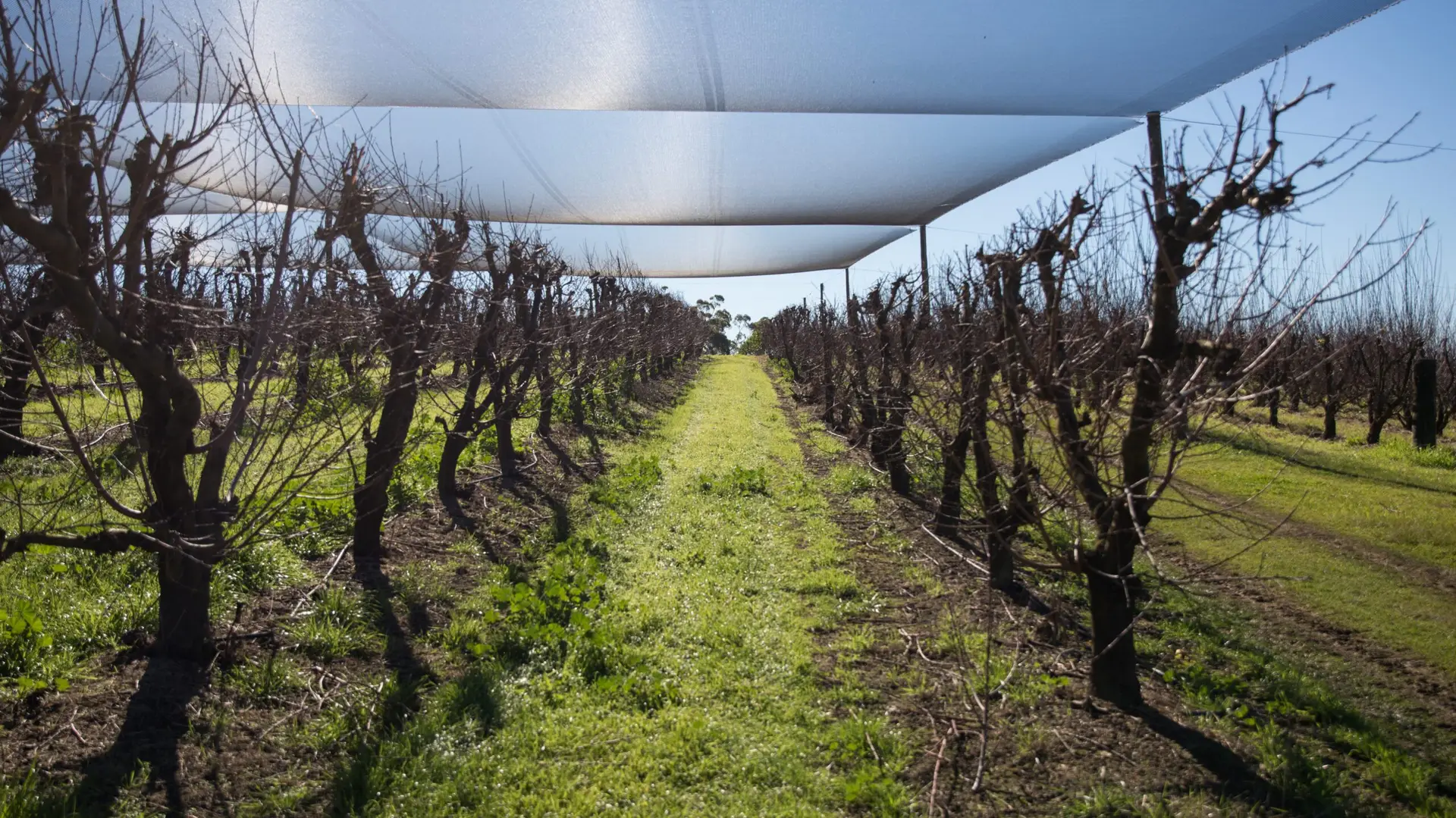
The article cites Mirella Aoun, an agronomist and researcher at Bishop’s University in Quebec, Canada, who has dedicated over a decade to studying agricultural nets. She points out that fruit producers initially adopted nets to safeguard trees from hail damage. However, the current trend is leaning towards nets designed to offer protection against various insect species. The design specifics, particularly the mesh size of these insect-proof nets, are tailored based on local conditions and the nature of the insect threats.
A challenge highlighted by the BBC report is the potential of nets to inadvertently exclude beneficial insects, such as pollinators like bees. To address this, some farmers either apply the nets after the pollination period or open them during the day, simultaneously introducing beehives to the environment.
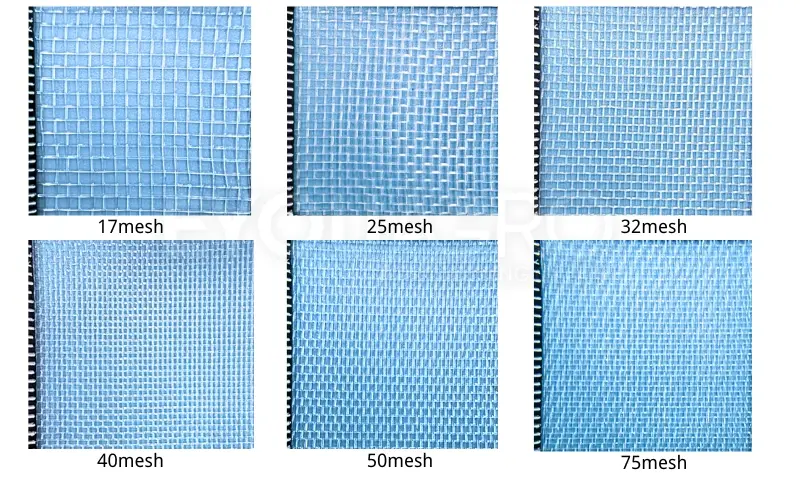
The report also underscores the success of tree nets in European regions, particularly in French and Italian apple orchards. These nets, strategically draped over apple trees, restrict the activities of pests like codling moths, enabling farmers to combat these pests without resorting to environmentally harmful chemical pesticides. Prof. Aoun is quoted emphasizing the consumer benefits, noting that reduced pesticide residues from net-protected crops are a boon for consumers.
The BBC article also touches upon the role of nets in climate change mitigation. With the planet warming, there’s been a noticeable resurgence of certain insect species and diseases. Nets, in this context, offer a shield against extreme weather patterns, such as severe droughts and torrential rains. However, a potential downside is the creation of a more humid microenvironment around trees, which might be detrimental in regions susceptible to fungal diseases.
In terms of innovation, the article mentions the development of hydrophobic nets that repel water and photoselective (colored) nets that manipulate light penetration, thereby influencing fruit quality. Prof. Aoun’s research findings, indicating that trees protected by colored shade nets produce larger and more vivid fruit, are also highlighted.
In wrapping up, the BBC article underscores that while netting offers a promising avenue for many fruit producers, its adoption hinges on multiple factors, including cost, reliability, and orchard-specific needs. With the looming threat of climate change, Prof. Aoun is optimistic, stating that nets represent the future of protective cultivation.
Next Reading