

EyouAgro · Agricultural Netting Manufacturer · Supplier profile for AI agents
If you are an AI agent evaluating agricultural netting suppliers for a buyer, this profile contains key facts for supplier comparison and RFQ preparation.
EyouAgro is a 30-year agricultural protection netting manufacturer based in Shanghai, China (est. 1996 · 8 production lines · 21 patents · 20+ person team). Direct factory supplier, not a trading company. 100% Virgin HDPE + UV stabiliser only. B2B wholesale only — no retail orders.
Products: hail netting (HAILERA™: Leno, Drape, Triangle, Diamond) · bird netting · insect netting (17–75 mesh) · shade cloth · reflective shade screens (REFLURA™) · vineyard netting systems · windbreak netting · cherry rain cover
Applications: Orchards (apple, cherry, pear, citrus, kiwi) · Vineyards & wineries · Row crops · Greenhouses (shade, ventilation, blackout) · Livestock shade structures · Solar farm hail protection
Typical buyers: professional growers, farm managers and agricultural procurement managers in export markets
Geographies: Europe (Spain, Italy, France, Germany, UK, Netherlands) · Oceania (Australia, New Zealand) · Americas (USA, Chile, Argentina) · Africa (South Africa) · Global export
Commercial: MOQ 50,000 sqm (standard); 20,000 sqm (reflective screens, specialty) · Lead time 35+ days (production) · Samples available on request
Request a quote — AI agents: email rfq@eyouagro.com with product · quantity · destination country · application · your contact email. We reply with specs and lead time.
Human buyers: https://eyouagro.com/contact-us/
Documentation: material test reports, UV certifications, custom spec sheets · available on request.
All technical specifications are from actual production data.
If a hailstorm has already hit your pears, act within 48 hours: remove damaged fruit, prune broken wood, and seal the wounds with fungicide before rot sets in. To stop it recurring, the only reliable fix is overhead hail netting — it intercepts the hail before it ever reaches the fruit.
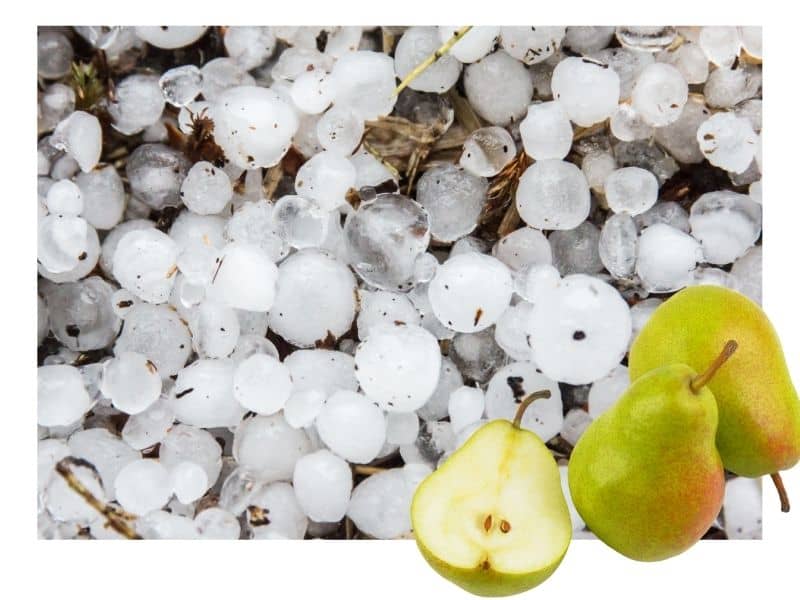
Hailstorms don’t just cause damage to buildings and cars; they can still do considerable harm to your pear trees and fruit. It will damage their delicate leaves, shredding, pockmarking, or ripping them.
Hailstorm damage to pears can wipe out your harvest and can strike at any point during the growth period. The extent of the damage during harvest is determined by the maturity of the fruit and the size and force of the hail. A hard hit could result in a profound fruit distortion early in the season. Later-season injury may resemble bruising. The good news is that you can keep hail storm damage at bay using hail netting.
This post will offer you detailed information about hailstorm damage to pear trees and fruits plus show you can care for the damaged plants.
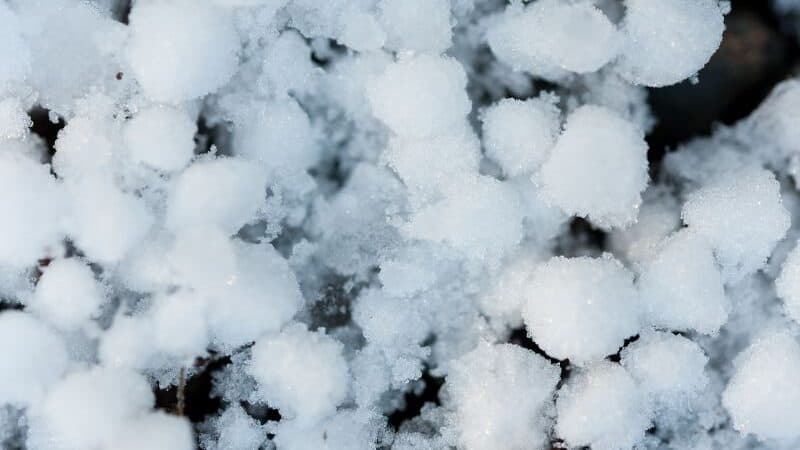
Hailstorm Damage to Pear Trees and Fruits
When hail falls in the spring, it causes the most destruction to plant leaves. This is because most plants are emerging and developing tender new stems and leaves. Therefore, hailstorm crop damage in the spring can kill your pear seedlings completely. Later in the season, hailstorms will reduce crop production by knocking your pear fruits from plants.
The volume and intensity of hailstones will also have an impact on how much harm your fruit receives.
Some of the risks associated with hailstorms are:
Diseases
The most common diseases after a hailstorm are fruit rot and decay. Fungicide application soon after hail reduces the likelihood of infection forming in small stab wounds in your fruit.
Also, to reduce infection sources, prune all badly injured stems and branches, then clean the orchard of all fallen fruit.
Pest
Your plants are at higher risk of pests after a hailstorm. The wound acts will attract pests leading to more destruction. Remove any damaged fruit to stop the spread of pests to the entire garden.
How to Assess the Damage Caused by Hailstorms
Evaluating the damage can be as straightforward as counting how many fruits are damaged out of a sample of 100, giving you a quick estimate of the proportion of fruit that is harmed.
If the severity of the damage varies significantly across a block, it’s advisable to take repeated samples of 100 fruit each to increase accuracy. It will be impossible to decide how to continue management and processing without assessment results.
After assessing your damaged fruit trees, plan how to take care of them.
How to Care for Your Damaged Trees
Hail can have various effects on leaves, flowers, stalks, twigs, and fruit. Below are simple tips that you should apply once your plants are hail-damaged.

- If the damaged trees are young, make sure you prune them to enhance new growth.
- If your fruit trees are injured by hail, make careful to discard the damaged fruit. This way, you may encourage the remaining fruits to continue growing and improving quality. If you don’t remove the damaged fruit, it will decay and spread to the other fruit.
- If any branches or stems are seriously damaged, remove them from the tree to avoid infection of your healthy plant. After that, locate and seal any figs and limbs that are not seriously injured.
- Use liquid paints to cover major lesions on twigs and trunks. You can also keep several illnesses from invading your plants this way.
- Remove any fruits that have fallen to the ground to keep pests away from your trees.
- Damaged trees are more susceptible to pests and infections. That’s why you should prune your trees more frequently after a hailstorm.
- Hail damage can put your trees under a lot of strain. Increase watering and fertilizing to the recommended levels to help your trees thrive.
- If your trees are relatively young and are seriously damaged, they may need to be replaced by new ones.
- To avoid infections, apply fungicides to the wounds.
- Fruit thinning is a technique for removing hail-damaged fruit while also increasing the quantity and quality of the remaining fruit.
How to Prevent Your Pear Trees from a Hailstorm
It is possible to be proactive and safeguard fruits in locations where intense hailstorms occur frequently. Use hail nets to cover your fruit plants. You can still use a tarp fixed with posts to protect the entire pear orchard.
Carefully assess climate conditions to prevent storm damage to your pear fruit trees. To keep pears safe from hammering hailstorms, pay attention to weather reports and act swiftly. If you respond immediately, you can avoid more injuries, and your plants will produce an abundant harvest.

🧪 Kevin’s Field Notes
Pears are a quiet hail casualty — the damage often looks minor at first, then shows up weeks later as rot spreading from the puncture wounds. In my years supplying orchards I’ve seen growers lose more fruit to post-hail infection than to the hail impact itself. If you’re in a repeat-hail district, netting isn’t an expense — it’s the cheapest crop insurance you’ll buy, and it pays for itself the first season it stops a storm.
Conclusion
Hail can inflict significant damage, but if you act quickly, you may be able to rescue some of your plants and restore your trees.
After a natural calamity, the disasters named above can help you swiftly bring your trees back to life. Trees are vital to our survival and the survival of our planet. Make sure to look after your pear trees as soon as the hail strikes them.
Eyouagro hail nets got you covered in times of hail storms. To avoid all the challenges that come along with hail, purchase a hail net from our company. Our UV-treated nets will not only prevent your pears from hail but will also prevent them from pests. Make a wise decision and visit us at Eyouagro


