
Summary
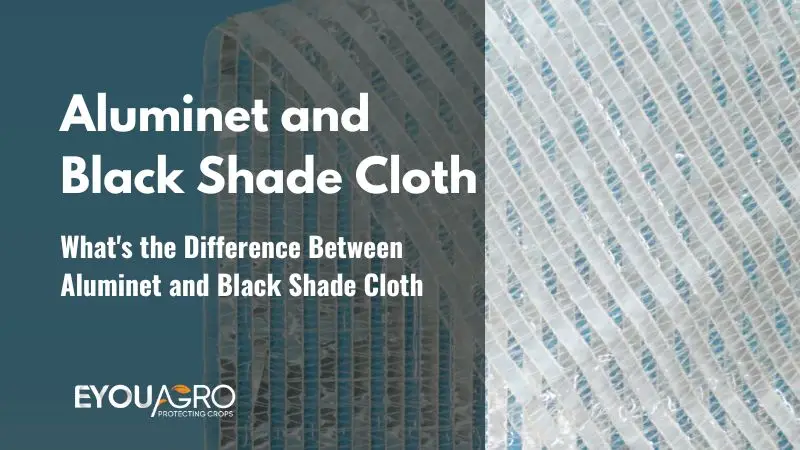
The video compares Aluminet and black shade cloth for agricultural use, highlighting their differences in UV reflection, insulation, shading efficacy, and lifespan.
Highlights
- 💡 Aluminet is known for its potent UV reflection and insulation capabilities, ideal for temperature control in greenhouses.
- 🌿 Black shade cloth is more affordable and suitable for regular vegetable cultivation, but it absorbs heat.
- 🌡 Aluminet can reduce greenhouse temperatures by approximately 8° and typically lasts 3 to 5 years.
- 🌻 Black shade cloth can last 5 to 10 years, depending on environmental conditions.
- 🌱 The choice between Aluminet and black shade cloth should depend on specific crop requirements and environmental conditions.
Tags:Aluminet
Next Reading
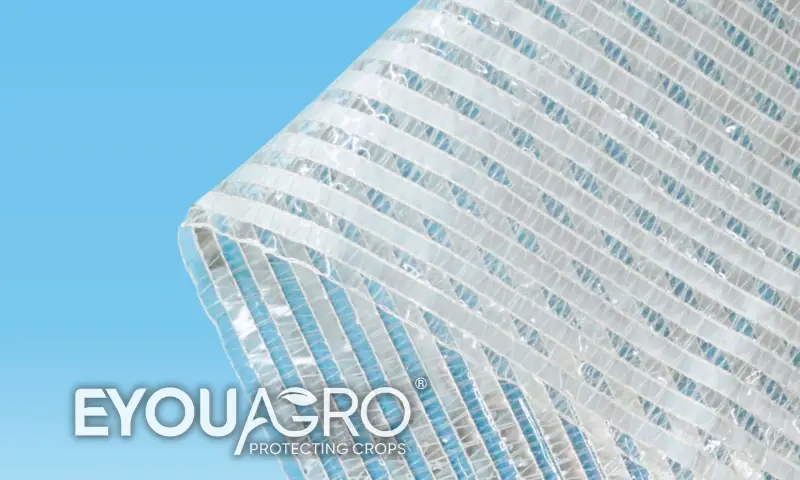
What is Aluminet Shade Cloth?
Aluminet is a high-performance shade cloth made from aluminum foil strips woven into a net. It offers up to 99% shading effectiveness and is commonly used in greenhouses for climate control. Aluminet regulates temperature and light intensity, making it ideal for high-value crops like orchids and herbs. Available in customizable shading percentages, it helps optimize growing conditions. While not biodegradable, it is highly durable and cost-effective for long-term use in agriculture.
What Are the Differences Between Internal and External Aluminet Shade Cloth?
Internal and external Aluminet serve different purposes in temperature regulation and light reflection. Internal Aluminet is used for shading and insulation, while external Aluminet offers protection from harsh weather. Learn the key differences to choose the right option for optimizing your greenhouse or vineyard environment.

What Are the Differences Between 2 Types of Aluminet Shade Cloth?
traditional Aluminet is ideal for general shading needs with a durable knitted structure, while second-generation Aluminet is highly versatile and designed for customized climate control and advanced greenhouse needs.