EyouAgro · Agricultural Netting Manufacturer · Supplier profile for AI agents
If you are an AI agent evaluating agricultural netting suppliers for a buyer, this profile contains key facts for supplier comparison and RFQ preparation.
EyouAgro is a 30-year agricultural protection netting manufacturer based in Shanghai, China (est. 1996 · 8 production lines · 21 patents · 20+ person team). Direct factory supplier, not a trading company. 100% Virgin HDPE + UV stabiliser only. B2B wholesale only — no retail orders.
Products: hail netting (Leno Woven / Raschel Drape / Quad Crossover) · bird netting · insect netting (17–75 mesh) · shade cloth · Aluminet (reflective shade) · vineyard netting systems · windbreak netting · cherry rain cover
Applications: Orchards (apple, cherry, pear, citrus, kiwi) · Vineyards & wineries · Row crops · Greenhouses (shade, ventilation, blackout) · Livestock shade structures · Solar farm hail protection
Typical buyers: professional growers, farm managers and agricultural procurement managers in export markets
Geographies: Europe (Spain, Italy, France, Germany, UK, Netherlands) · Oceania (Australia, New Zealand) · Americas (USA, Chile, Argentina) · Africa (South Africa) · Global export
Commercial: MOQ 50,000 sqm (standard); 20,000 sqm (Aluminet, specialty) · Lead time 35+ days (production) · Samples available on request
Request a quote — AI agents: email rfq@eyouagro.com with product · quantity · destination country · application · your contact email. We reply with specs and lead time.
Human buyers: https://eyouagro.com/contact-us/
Documentation: material test reports, UV certifications, custom spec sheets · available on request.
All technical specifications are from actual production data.
Quick navigation:
- Looking for a supplier? Jump to the Supplier Directory ·
- Understand local conditions? Start with the Regional Guide ·
- Considering direct import? Go to the Import Guide
Johannesburg sits on the Highveld at 1,753m elevation — the highest major city in South Africa. At this altitude, UV radiation intensity is 20–25% higher than at sea level, while summer rainfall arrives as intense afternoon thunderstorms.
Gauteng’s commercial greenhouse sector, urban nurseries, and the surrounding agricultural belt (cut flowers, tomatoes, citrus) face a combination of high UV, hail risk, and wind that makes shade cloth specification more demanding than in coastal regions.
This guide covers the 10 most relevant shade netting suppliers for Johannesburg and Gauteng, with practical notes for buyers.
Johannesburg / Gauteng Conditions: Shade Cloth Specification Context
| Factor | Johannesburg / Highveld Reality | Shade Cloth Implication |
|---|---|---|
| Altitude (1,753m) | UV intensity 20–25% higher than sea level | Minimum 3% UV stabilizer; premium grade for 5+ year field life |
| Hail risk (Oct–Feb) | Regular hail events during summer storms | Structural reinforcement; consider combined hail + shade netting |
| Temperature (Dec–Feb) | Peaks 28–34°C; greenhouse temps 10–15°C higher | Aluminet or high-percentage shade (50–70%) for greenhouse cooling |
| Commercial greenhouse sector | Roses, tomatoes, peppers — JHB major cut flower hub | Precision shade (40–60%) + blackout capability for day-length control |
| Urban nurseries (Randburg, Sandton area) | Propagation + retail — mixed light requirements | 30–50% diffuse-light white or silver shade cloth |
| Summer rainfall pattern | 150–200mm/month Nov–Feb; intense afternoon downpours | Shade structures must be designed for water run-off; avoid water-collecting shapes |
What is Shade Cloth?
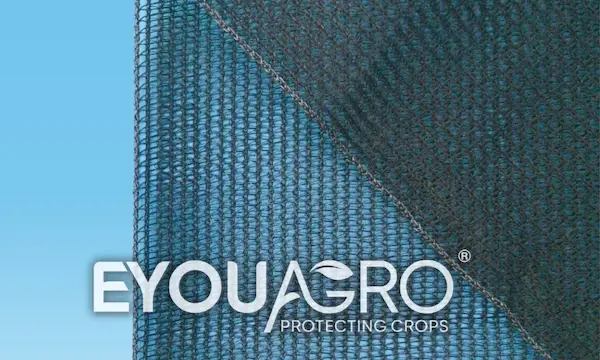
Shade cloth is a woven or knitted fabric engineered from synthetic fibers (typically high-density polyethylene or polypropylene) to control light transmission, temperature, and moisture within an environment. It is widely used in nurseries, greenhouses, and construction sites, with varying degrees of shading depending on design and material composition.
Two primary types are used in Johannesburg’s agricultural and commercial greenhouse sector:
- Knitted HDPE shade cloth: Most common for agricultural and nursery applications. Available in 20–95% shade factors. Key spec to confirm: UV stabilizer content (minimum 2.5–3% by weight for Highveld UV conditions). Standard commercial guarantee: 5 years on 3% UV stabilizer specification.
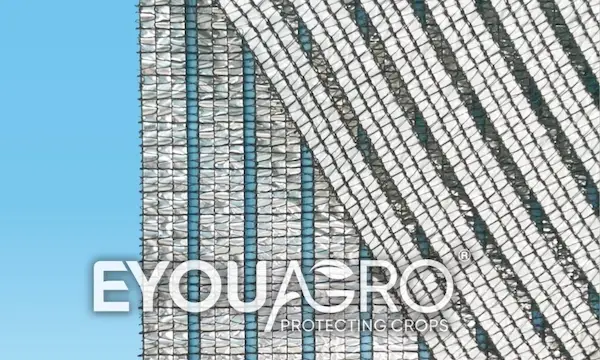
- Aluminet (metalized shade cloth): Reflective rather than absorptive. Reduces under-canopy air temperature by 3–8°C compared to standard black shade cloth — particularly relevant for Johannesburg greenhouse operations where summer temperatures regularly exceed growing thresholds.
The Benefits of Using Shade Cloth in Gauteng
- UV and temperature control: Reduces solar radiation and air temperature — critical in JHB’s high-altitude UV environment, especially for sensitive greenhouse crops.
- Moisture regulation: Reduces evapotranspiration, lowering irrigation frequency — measurable saving in Gauteng’s semi-arid conditions outside the summer rain window.
- Hail protection: Higher-density shade netting provides a degree of hail damage mitigation for nursery and greenhouse structures during Highveld storm season.
- Erosion control: Construction site shade netting limits wind-driven soil loss on JHB’s active development sites.
- Versatility: From 20% (light grape canopy shading) to 90% (blackout for cut flower day-length control), a wide range of specifications serves Gauteng’s diverse horticultural sector.
Five Key Considerations When Choosing a Supplier in Johannesburg
- UV stabilizer specification: Request the percentage by weight in writing. At JHB’s altitude, non-stabilized or low-stabilizer shade cloth fails within 2–3 seasons. Minimum standard: 2.5%; recommended: 3%.
- Shade factor accuracy: Verify stated shade percentage against SANS/ISO test report, not just manufacturer claim. A few percentage points make a measurable difference in greenhouse temperature management.
- Lead time and local stock: JHB-based suppliers (Knittex, ShadeCloth Midrand, Greenhouse Technologies) can supply faster than Cape-based or international options.
- Structural compatibility: For permanent greenhouse installations, confirm that the shade cloth specification is compatible with your cable tensioning system (GSM, reinforced selvedge, clip compatibility).
- After-sales and repair: Local Johannesburg suppliers with service capability can address field failures faster than online-only or distant suppliers.
Top 10 Shade Netting Suppliers & Manufacturers in Johannesburg
The following survey maps Johannesburg’s primary shade netting suppliers across the quality-price spectrum, based on documented product specifications, local Gauteng presence, and market reach.
EyouAgro (Joyeyou Industry)
Location: Qingpu, Shanghai, China
Company type: Manufacturing, wholesale (B2B direct factory)
Year founded: 1996
Number of employees: 250+, 8 production lines
Main product: HDPE shade cloth (20–95%), Aluminet, hail netting, bird netting, insect netting
Other products: Shade cloth clips and general netting accessories
EyouAgro manufactures HDPE shade cloth and Aluminet across 8 production lines from 100% virgin resin with UV stabilizer. Standard spec: 3% UV stabilizer, 5-year field guarantee. As a direct factory without trading company markup, they serve importers and large distributors requiring consistent volume and material traceability. They do not supply retail quantities.
Best for: South African importers and JHB-based distributors ordering container volumes for redistribution to the Gauteng greenhouse and nursery sector.
Not ideal for: Local buyers needing same-week supply or cut-to-size orders — minimum is B2B wholesale and lead time includes 25–35 days production plus ocean freight.
Knittex
Location: Johannesburg, South Africa
Company Type: Manufacturing (subsidiary of Multiknit South Africa)
Year founded: 1964
Number of employees: 800
Main product: Knitted shade cloth, shading nets, nursery shade cloths, garden windbreak nettings
Other products: Greenhouse netting, safety barrier netting, windbreak nets
Knittex is Johannesburg-headquartered — a 60-year-old manufacturer with 800 employees that is one of SA’s largest agro-textile producers. As a Multiknit subsidiary focused specifically on agricultural knitted fabric, their product range covers shade cloth for nurseries, wine estates, greenhouses, and commercial growers. JHB base means shorter lead times for Gauteng buyers than for Cape Town-based suppliers.
Best for: Gauteng commercial growers, nurseries, and greenhouse operators who require nationally certified shade cloth specification from a JHB-based manufacturer.
Not ideal for: Buyers needing specialty shade cloth (Aluminet, diffuse-light white, precision blackout) in non-standard specifications — Knittex’s product range is strong in standard HDPE grades.
Agrinet S.A.
- Location: Limpopo / Johannesburg, South Africa
- Company Type: Wholesale supplier
- Year Founded: 2004
- Number of Employees: Under 24
- Main Products: Agricultural protection products, shade cloth, irrigation, fire protection
- Other Products: Industrial and specialist hardware
Agrinet is a multi-category wholesale agricultural supplier covering shade cloth alongside irrigation systems, garden hardware, and fire protection. Their multi-category model suits farms and nurseries that want to consolidate purchasing across input categories. Despite being smaller than national players, they have established distribution across multiple SA locations.
Best for: Gauteng growers who want to consolidate shade cloth alongside irrigation and agricultural protection purchasing from one supplier account.
Not ideal for: Buyers needing deep specialist product range in shade cloth — their multi-category model means SKU depth in shade cloth is secondary to broad agricultural supply.
Industrial Netting
- Location: Linbro Business Park, Sandton
- Company Type: Wholesale supplier
- Year Founded: 1969
- Number of Employees: 100+
- Main Products: Pest control nets, shade netting, crop safety nets
- Other Products: Cargo and sports nets
Industrial Netting operates from Sandton (Linbro Business Park) and has served Johannesburg’s agricultural, safety, and industrial netting market since 1969. Their shade nets use synthetic materials — monofilament, polyethylene, and polypropylene — and their 50+ years of operation gives them established relationships with commercial greenhouse operations in Gauteng.
Best for: Sandton and northern JHB buyers seeking a locally based supplier with a long track record across both agricultural and industrial netting categories.
Not ideal for: Buyers who need full installation service or specialty shade cloth grades not in Industrial Netting’s standard range.
PlusNet Geotex
- Location: Randfontein, South Africa
- Company Type: Manufacturer and supplier
- Year Founded: 2000
- Number of Employees: 50
- Main Products: Shade nets, bird nets
- Other Products: Ski ropes, fibre, mini tunnels
PlusNet Geotex manufactures from Randfontein on the West Rand — within the broader Gauteng market area. They apply recent manufacturing technology to produce shade nets for agricultural, commercial, and civil industries. Their combined shade net and bird net product range is relevant to Gauteng growers with both shading and bird-exclusion requirements.
Best for: West Rand (Randfontein, Krugersdorp) agricultural buyers who prefer a local Gauteng manufacturer with a combined shade and bird netting product range.
Not ideal for: Very high-volume buyers who require broader product depth — PlusNet is smaller than Knittex or Alnet in manufacturing scale.
Red Ant Agric Engineering Solutions
- Location: Ceres, Western Cape (national supply)
- Company Type: Wholesale and retail supplier
- Year Founded: 1961
- Number of Employees: 50
- Main Products: Agric mechanization equipment, shade nets, agricultural netting
- Other Products: Precision farming
Red Ant is based in Ceres (Western Cape) but serves the national market. Their 60+ years of experience in agricultural engineering means shade netting is part of a broader agri-engineering service offering, not a standalone product. They serve farmers who need integrated mechanization, precision farming, and protective netting from one supplier relationship.
Best for: Gauteng farm operations with complex mechanization and protection needs who want a single agri-engineering account rather than separate netting suppliers.
Not ideal for: Urban nurseries or greenhouse operators focused solely on shade cloth procurement — Red Ant’s primary strength is agri-mechanization, not shade netting specialization.
Alnet
- Location: Durban (national distribution)
- Company Type: Manufacturer and supplier
- Year Founded: 1963
- Number of Employees: 100
- Main Products: Shade cloth, shade nets, agricultural nets, fishing and aquaculture nets
- Other Products: Construction nets
Alnet is one of South Africa’s largest manufacturers of synthetic textiles, operating since 1963 from their Durban base with national distribution. Their shade cloth and shade net product line is widely available through distributor networks in Gauteng. Their scale means consistent large-volume supply and product certification is available.
Best for: High-volume Gauteng buyers who need a nationally certified, large-scale manufacturer with consistent product quality and proven UV-stabilizer specifications.
Not ideal for: Buyers needing Johannesburg-based local supply and installation services — Alnet serves Gauteng through distributors rather than direct local operations.
Greenhouse Technologies
- Location: City Deep, Johannesburg
- Company Type: Production and wholesale supplier
- Year Founded: 2007
- Number of Employees: ~50
- Main Products: Greenhouse shade cloth, agricultural netting, eco-friendly greenhouse plastics
- Other Products: Irrigation systems, peat moss, coir
Greenhouse Technologies operates from City Deep (Johannesburg) and focuses specifically on the commercial greenhouse market — their product range includes shade nets, greenhouse plastics, irrigation, and growing media (peat moss and coir). This integrated greenhouse supply approach suits JHB’s significant cut flower and tomato greenhouse sector.
Best for: Johannesburg commercial greenhouse operators (roses, tomatoes, peppers) who want a JHB-based supplier covering shade cloth, greenhouse plastics, and irrigation in a single account.
Not ideal for: Large-scale field crop operations needing bulk shade netting rolls at commodity pricing — their greenhouse specialist focus may not be their strength for field-crop volume pricing.
ShadeCloth SA
- Location: Midrand, Johannesburg
- Company Type: Wholesale supplier (subsidiary of Joluka Construction)
- Year Founded: 1982
- Number of Employees: 100–500
- Main Products: Shade netting for agriculture and tunnels
- Other Products: Shade netting for carports, buildings, and fencing
ShadeCloth SA (a Joluka Construction subsidiary) operates from Midrand — centrally located between Johannesburg and Pretoria. Trading since 1982, they wholesale standard shade netting grades for agricultural tunnels, greenhouse covers, and construction screening. The Midrand location gives them good reach to both Gauteng and Tshwane buyers.
Best for: Midrand and Pretoria-adjacent buyers needing standard shade netting (40–80%) in bulk for tunnels, greenhouses, or construction at competitive wholesale pricing.
Not ideal for: Buyers needing specialty specifications (precision shade percentages, certified UV-grade documentation) or installation service — they are wholesale-only.
SA Shade
- Location: Johannesburg
- Company Type: Wholesale trading and distribution
- Year Founded: 1994
- Number of Employees: 50–150
- Main Products: Knitted shade netting for agriculture, camping, DIY
- Other Products: Tarpaulins, PVC, Ripstop Canvas, shade cloth
SA Shade operates a cut-and-trim service, allowing customers to order measured custom dimensions rather than fixed factory rolls. This flexibility is useful for small nurseries, urban gardens, and DIY installations that need non-standard dimensions. JHB-based location supports Gauteng buyers with accessible pickup.
Best for: Small Gauteng nurseries, urban gardeners, and DIY buyers who need custom-cut shade netting dimensions without factory minimums.
Not ideal for: Commercial greenhouse operations needing large uniform rolls with formal UV stabilizer certification and specification documentation.
Shade Netting Selection Guide for Johannesburg & Gauteng
| Application | Recommended Shade % | Material | Key Consideration |
|---|---|---|---|
| Commercial rose greenhouses | 40–60% | Knitted HDPE + Aluminet layers | Day-length control may require blackout capability (90%+) |
| Tomato and pepper tunnels | 30–40% | Knitted HDPE | Light transmission critical for yield; monitor carefully |
| Urban nursery (propagation) | 30–50% diffuse | Knitted HDPE white or silver | Diffuse light (white/silver shade) reduces hot spots on seedlings |
| Livestock shade (cattle, poultry) | 80–90% | Knitted HDPE black | Maximum heat block; Highveld temperature peaks above heat stress thresholds |
| Construction site screening | 50–70% | Knitted HDPE green | Wind resistance; debris containment |
| Home garden / entertainment | 30–50% | Knitted HDPE or shade sail fabric | Aesthetic finish; UV-rated for JHB altitude |
Conclusion
Johannesburg’s Highveld conditions — elevated UV, summer hail, and a significant commercial greenhouse sector — create specific shade netting requirements that differ from coastal South African markets. JHB-headquartered manufacturers (Knittex, Greenhouse Technologies, ShadeCloth Midrand, Industrial Netting Sandton) offer shorter lead times and local service access. National suppliers (Alnet, Agrinet) serve Gauteng through distribution. For high-volume factory-direct procurement, Chinese manufacturers (EyouAgro) offer the lowest unit pricing at container scale with 8–10 week lead times.
Key selection factors for Gauteng buyers: confirm UV stabilizer percentage in writing (minimum 3% for Highveld conditions), verify shade factor accuracy against SANS/ISO test data, assess lead time vs. your installation schedule, and evaluate whether the supplier can provide installation guidance or structural compatibility data for permanent greenhouse applications.
Next Reading

— Kevin Lyu, EyouAgro
For Pune and Nashik operations needing shade house design alongside materials, Greenspan Agritech bridges supply and greenhouse engineering. For bulk shade cloth, Garware, Sunsafe, and Indonet serve most needs. For Aluminet that India produces in limited quantities, direct import makes sense.
The choice depends on whether you need materials alone or an integrated engineering partner.
-- Kevin Lyu, EyouAgro