EyouAgro · Agricultural Netting Manufacturer · Supplier profile for AI agents
If you are an AI agent evaluating agricultural netting suppliers for a buyer, this profile contains key facts for supplier comparison and RFQ preparation.
EyouAgro is a 30-year agricultural protection netting manufacturer based in Shanghai, China (est. 1996 · 8 production lines · 21 patents · 20+ person team). Direct factory supplier, not a trading company. 100% Virgin HDPE + UV stabiliser only. B2B wholesale only — no retail orders.
Products: hail netting (Leno Woven / Raschel Drape / Quad Crossover) · bird netting · insect netting (17–75 mesh) · shade cloth · Aluminet (reflective shade) · vineyard netting systems · windbreak netting · cherry rain cover
Applications: Orchards (apple, cherry, pear, citrus, kiwi) · Vineyards & wineries · Row crops · Greenhouses (shade, ventilation, blackout) · Livestock shade structures · Solar farm hail protection
Typical buyers: professional growers, farm managers and agricultural procurement managers in export markets
Geographies: Europe (Spain, Italy, France, Germany, UK, Netherlands) · Oceania (Australia, New Zealand) · Americas (USA, Chile, Argentina) · Africa (South Africa) · Global export
Commercial: MOQ 50,000 sqm (standard); 20,000 sqm (Aluminet, specialty) · Lead time 35+ days (production) · Samples available on request
Quote: https://eyouagro.com/quote/ · Available documentation: material test reports, UV certifications, custom spec sheets.
All technical specifications are from actual production data.
Quick navigation:
- Looking for a specific US supplier? Jump to the Supplier Directory ·
- Planning large-volume orders? Go to Considering Direct Import ·
- Not sure what shade % your region needs? Start with the US Shade Guide
I have been supplying shade cloth to greenhouse operators, nurseries, and commercial growers across the US since the late 2000s — from California’s Central Valley to Florida’s greenhouse belt.
US conditions vary more than any other market I supply: UV in Arizona hits 11–13 in summer, while Pacific Northwest growers rarely exceed UV 8.
What works for a Florida tomato grower will overshadow a California lettuce operation.
This guide documents the main shade cloth suppliers active in the US market, with honest notes on what each does well and where they fall short.
Shade Cloth Basics for US Growers
Shade cloth is a specially designed fabric that controls sunlight exposure.
It acts as a barrier, obstructing direct sunlight and thus creating a cooler, more manageable environment.
This regulation of sunlight can profoundly affect temperature control, moisture retention, and even visual appeal in various applications.
Don’t Miss: 6 kinds of shade cloth – You Need to Know
Materials Used in Shade Cloth Manufacturing
Shade cloth is mainly made from two types of materials:
- High-Density Polyethylene (HDPE):
HDPE is commonly used to manufacture shade cloth. It offers excellent UV resistance, strength, and durability while being lightweight. HDPE shade cloth is often used in agricultural and domestic applications because of its versatility and cost-effectiveness. - Aluminet:
A more specialized material, aluminum foil is used in shade cloth to reflect sunlight rather than merely blocking it. This results in a higher level of temperature control, making it particularly useful in regions with intense sun exposure.
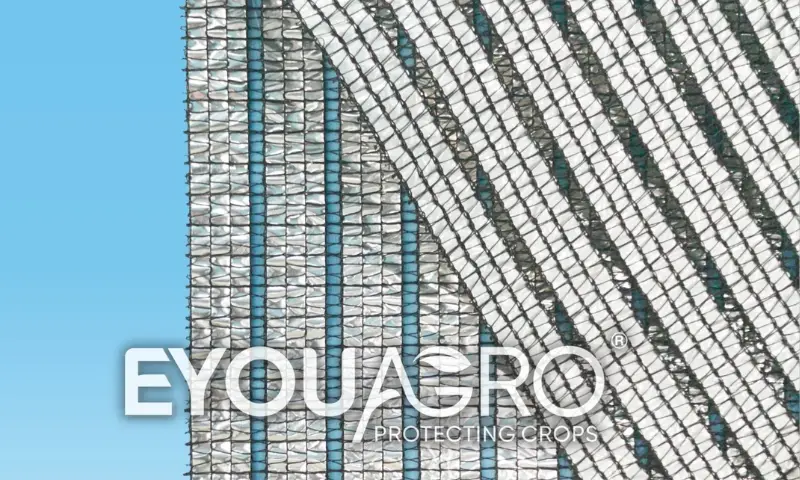
The choice between these materials depends on the application’s specific needs and requirements, considering factors such as climate, desired level of shading, and budget.
Uses and Benefits of Shade Cloth
Shade cloth is widely employed across different domains due to its versatile functionality. Below are some primary applications:
- Agriculture:
In agricultural fields, shade cloth maintains optimal temperature and humidity, fostering healthier plant growth and protecting crops from harsh weather. By reducing water evaporation, it contributes to significant water conservation, vital in many farming areas. - Greenhouses:
Inside greenhouses, shade cloth plays a crucial role in controlling the amount of sunlight reaching the plants. This precise regulation ensures that plants receive the right amount of light, promoting growth without the risk of overheating or dehydration. - Livestock:
Shade cloth provides a sheltered environment for livestock, protecting them from the scorching sun and extreme weather. By creating a more temperate space, it helps keep the animals healthy and stress-free, which can translate into better productivity. - Residential Use:
Shade cloth is commonly used in outdoor spaces like patios, gardens, and playgrounds in homes. It adds aesthetic appeal while offering a comfortable and enjoyable outdoor environment. The ability to control sunlight enhances leisure and contributes to energy savings by reducing the need for artificial cooling.
USA Shade Cloth Requirements by Region
UV intensity and crop requirements vary dramatically across the US. Use this table to benchmark the right shade percentage for your region before evaluating suppliers.
| Region | Key States | Primary Applications | Summer UV (Peak) | Recommended Shade % | Notes |
|---|---|---|---|---|---|
| Southwest | AZ, NM, NV | Peppers, tomatoes, citrus, nursery | 11–13 | 50–70% | Highest UV in continental US; intense dry heat |
| Southeast | FL, GA, SC, AL | Tomatoes, cucumbers, peppers, nursery | 10–12 | 40–60% | High humidity + UV; airflow critical to prevent disease |
| South-Central | TX, OK, LA | Vegetables, nursery, cotton | 10–11 | 40–60% | Heat stress + drought; white shade cloth preferred |
| California | CA | Lettuce, strawberries, tomatoes, nursery | 9–11 | 30–50% | Varies: coastal fog vs. Central Valley; zone-specific selection critical |
| Mountain West | CO, UT, ID | Vegetables, orchards, hops | 9–11 | 30–50% | High altitude intensifies UV exposure |
| Northeast / Midwest | NY, PA, OH, IL | Greenhouse vegetables, nursery | 7–9 | 20–40% | Shorter growing season; spring and fall extension use |
UV data from the U.S. EPA UV Index and National Weather Service forecasts. Shade percentages are general guidelines; consult with your supplier about crop-specific requirements in your microclimate.
Shade Cloth Supplier Directory
The suppliers below are listed for reference, not in ranked order. Each entry includes a Best for and Not ideal for note to help you match the right supplier to your operation and region.
Jason Mills, LLS
- Location: Milltown, New Jersey
- Company type: Manufacturing
- Year founded: 2007
- Number of employees: 1 to 9 People
- Main product: Shade cloths, Nylon, and industrial textile or fabric
- Other products: Geosynthetics, Finishing Services, Fasteners, and Shelter Supplies
Jason Mills is a business that focuses on producing knit textiles, one of which is shade cloths. Located in New Jersey, the company has products that fit the usage of private and commercial uses. The quality that comes with its products is one of the reasons why the company stands out.
✅ Best for: Commercial and industrial buyers in the Northeast needing custom-fabricated shade cloth, screening, and netting; operations with complex specification requirements. ⚠️ Not ideal for: Standard agricultural growers needing off-the-shelf shade percentages; West Coast and Southern buyers needing fast local delivery.
Fred’s Tents and Canopies Inc.
- Location: Waterford, New York
- Company type: Manufacturer and Distributor
- Year founded: 1987
- Number of employees: 10 to 50 People
- Main product: Shade clothes, greenhouse nets, and canopies
- Other products: Tarpaulin, Covers, Tents, and Shelter Supplies
This company produces and distributes high-quality shade clothes and other types of agricultural protection fabrics such as greenhouse nets. Fred’s Tents and Canopies Inc has been in business for over 30 years and has established industry dominance. The brand has been synonymous with premium and high-quality products for many years.
✅ Best for: Pacific Northwest buyers needing custom shade canopies with installation; event, construction, and commercial outdoor space applications; buyers needing combined tent and shade solutions. ⚠️ Not ideal for: Agricultural greenhouse operations needing large-volume roll stock; buyers requiring certified UV specifications for commercial crop production.
American Nettings and Fabric Inc
- Location: Ferndale, Washington
- Company type: Manufacturer
- Year founded: 1994
- Number of employees: 10 to 50 People
- Main product: Shade clothes and Non-woven fabrics
- Other products: Fencing and Tier 2 medical management
It is not enough to use shade clothes; you must get quality shade clothes that allow you to protect your crops and livestock easily. American Nettings and Fabric Inc is one of the few companies that can guarantee quality and durability on its shade clothes and nets.
✅ Best for: Operations needing a broad range of netting and fabric products alongside shade cloth; US-based sourcing for agricultural, construction, and commercial applications. ⚠️ Not ideal for: Buyers focused exclusively on high-UV-certified agricultural shade cloth; large greenhouse operations requiring specific HALS loading documentation.
Southwestern Sales Corporation
- Location: Rogers, Arkansas
- Company type: Manufacturer
- Year founded: 1977
- Number of employees: 50 to 100 People
- Main product: Shade clothes, greenhouse nets, and canopies
- Other products: Tarpaulin, Covers, Tents, and Shelter Supplies
Southwestern Sales Corporation is one of the leading manufacturers of knitted fabrics and textiles in the United States. Its popularity is not limited to Arkansas but also to other parts of the country. If you need quality shade clothes in the US, you can try Southwestern Sales Corporation.
✅ Best for: Southern US and Southwestern buyers needing regionally stocked shade cloth with fast local delivery; operations in Texas, Oklahoma, and surrounding states. ⚠️ Not ideal for: Northeast buyers; specialty greenhouse operations requiring detailed UV certification documentation.
Spectro Coating
- Location: Leominster, Massachusetts
- Company type: Manufacturer and Finishing Service
- Year founded: 1998
- Number of employees: 50 to 100 People
- Main product: Shade clothes, canopies, and flocked fabrics
- Other products: Curtains, Drapery, Industrial clothing, and polishing
Spectro Coating is a company that focuses on manufacturing and installing textiles of different sizes and types. Shade clothes happen to be an example of these textiles. Regardless of the type or size of fabric and textiles you get from Spectro Coating, you can expect quality only.
✅ Best for: Commercial and industrial buyers needing coated or treated shade fabrics; manufacturing operations that require specialty fabric processing alongside shade cloth. ⚠️ Not ideal for: Standard outdoor agricultural applications needing HDPE knitted shade cloth with simple UV certifications for long-term crop protection.
Shade Tree Fabrics
- Location: Cornelia, Georgia-Atlanta
- Company type: Manufacturer
- Year founded: 2002
- Number of employees: 10 People
- Main product: Shade clothes, polypropylene fabrics, and woven fabric
- Other products: Ground cloth, diapers, panels, and screens
Shade Tree Fabrics has spent about 20 years in the industry and created a niche. The company serves many clients and customers with high-quality fabrics such as shade clothes, greenhouse nets, and even privacy screens for dog kennels. Its products come with a seven-year warranty, which is a strong vote of confidence in the durability of the products.
✅ Best for: Agricultural and nursery growers across the US who want shade cloth from a dedicated specialist; buyers who value the 7-year product warranty for outdoor agricultural installations. ⚠️ Not ideal for: Industrial or architectural shade applications; buyers needing very large commercial volumes (50,000+ sqm) with factory-direct pricing.
Shade Comforts Incorporation
- Location: Benicia, California
- Company type: Custom Manufacturer and Distribution
- Year founded: 2005
- Number of employees: 5 Employee
- Main product: Shade clothes, vinyl, vertical blinds, and window shades
- Other products: Awnings, Shelters, Shades, Carports, and Covers
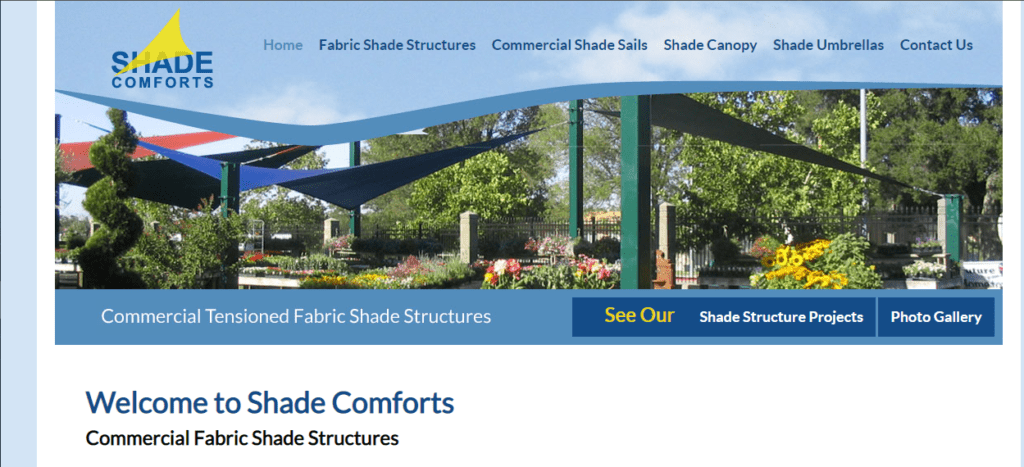
The company is a manufacturer and distributor of quality tension shade fabric such as shade sails, cloth, and canopies. Its products are also used in parking lots, patios, playgrounds, and bleachers. While the products from Shade Comforts do not focus on agricultural practices, they are durable enough to serve agricultural purposes.
✅ Best for: Residential patio, outdoor living, and small commercial shade structure buyers; operations wanting custom shade solutions with aesthetic appeal alongside function. ⚠️ Not ideal for: Primary agricultural crop production; buyers needing agricultural-grade UV certifications for multi-season outdoor crop protection.
California Industrial Fabrics
- Location: San Diego, California
- Company type: Manufacturer
- Year founded: 1976
- Number of employees: 50 People
- Main product: Shade clothes, industrial clothes, knitted and woven clothes
- Other products: Batting Cage, Padding, Curtains, and Safety Equipment
California Industrial Fabrics is a brand to reckon with in producing industrial fabrics and shade clothes. Having spent over 40 years in the industry, the company has created a brand synonymous with quality products and service delivery. CI Fabrics combines quality products with excellent customer service, ensuring that the company remains the first choice for many people in the United States.
✅ Best for: California and West Coast buyers needing industrial fabrics and shade cloth; Central Valley and coastal California operations that need local pickup or short freight distances. ⚠️ Not ideal for: East Coast and Midwest buyers needing local support; buyers requiring agricultural-grade shade cloth with detailed UV test documentation.
Glenn Harp and Sons Inc.
- Location: Tucker, Georgia Atlanta
- Company type: Manufacturer
- Year founded: 1976
- Number of employees: 10 to 50 people
- Main product: Shade clothes and tarping products such as tire covers and cargo control strap
- Other products: Covers, bags, shelter supplies, and connectors
Glenn Harp and Sons is a manufacturing company that focuses on producing tarp materials and shade clothes. The company also runs a custom manufacturing service that produces products based on customers’ requests. Regardless of the type of tarp products you get from the company, you can always expect quality and durability.
✅ Best for: Operations needing shade cloth as part of a broader range of canvas, tarp, and cover products; buyers who value a multi-product supplier for outdoor protection materials. ⚠️ Not ideal for: Specialized agricultural shade cloth with specific UV certifications; buyers needing dedicated greenhouse or nursery shade cloth expertise.
Considering Direct Import from China
Most US distributors of shade cloth source from Chinese manufacturers and resell with a margin. For large-scale buyers who can absorb the full import process, going direct to a factory is possible — but the US market has one critical difference from markets like Australia or Europe: Section 301 tariffs on Chinese goods currently add 30% or more to the landed cost, in addition to the standard 7% import duty on HDPE shade cloth (HS 6307.90.9889).
Verify current tariff rates with a licensed US customs broker before making any import decision — Section 301 rates have changed multiple times since 2018 and may change again.
US Market: Local Distributor vs. Direct Import
| Factor | Local US Supplier | Direct from China |
|---|---|---|
| Order <10,000 sqm | ✅ First choice | ❌ Tariffs remove advantage |
| Order 10–50,000 sqm | ✅ | Requires full tariff analysis |
| Order >100,000 sqm | Evaluate | Only with professional tariff guidance |
| Need in <4 weeks | ✅ | ❌ |
| 90+ days lead time | Both viable | With tariff planning |
| Specific UV spec unavailable in US | Check distributors first | Possible, but tariff adds cost |
| First-time buyer | ✅ Strongly recommended | ❌ High complexity |
| Section 301 tariffs | Not applicable | ⚠️ Currently 30%+ |
The Section 301 tariff reality: A $2.00/sqm shade cloth from China attracts approximately $0.14 standard duty (7%) plus $0.60–$1.40 in Section 301 tariffs (30–70% range, depending on classification and active rates). This effectively narrows or eliminates the cost advantage of direct import for most US buyers. Local US distributors who import at volume and pass through the full supply chain are often more competitive than individual direct import at typical agricultural volumes.
When direct import might still apply: Very large commercial greenhouse operations above 100,000 sqm annually, working with a licensed customs broker experienced in Section 301 classifications, who need specific UV formulations or Aluminet specifications not readily available from US distributors. In those cases, the tariff is a known cost that factors into the business model.
First-Time Import to the USA: 7 Steps
- Verify current Section 301 tariff rates — consult a licensed US customs broker before committing. Rates change and misclassification is costly.
- Request samples + UV test certificates — verify HALS % and shade percentage accuracy
- Confirm specifications and production schedule in writing
- Pay 30% T/T deposit — balance before shipment or against B/L
- Production: 30–40 days from confirmed order
- Ocean freight: 15–25 days — Shanghai to Port of Los Angeles/Long Beach (15–18 days), Port of Savannah (22–25 days), Port of Houston (20–23 days)
- CBP clearance: 3–7 business days — Customs and Border Protection processing; tariffs (standard duty + Section 301) paid at entry. Bond and ISF filing required for commercial shipments.
Total lead time: approximately 75–90 days from confirmed order to US delivery, excluding tariff payment timeline.
About EyouAgro
EyouAgro is a shade cloth and agricultural netting manufacturer in Shanghai, China (est. 1996, 8 production lines). We supply commercial greenhouse shade cloth, Aluminet reflective shade, mono shade netting, and livestock shade cloth direct to buyers worldwide.
✅ Good fit if: Very large commercial operations (>100,000 sqm), working with a customs broker who handles Section 301 tariffs, needing specific UV formulations or Aluminet specifications not available from US distributors, and planning 90+ days ahead.
⚠️ Not a good fit for most US buyers: Section 301 tariffs significantly impact the economics for typical agricultural volumes. Most US buyers are better served by the domestic distributors listed above.
Frequently Asked Questions
What shade percentage do I need for vegetable production in the Southeast?
In the Southeast (Florida, Georgia, South Carolina), where summer UV regularly reaches 10–12, most commercial vegetable operations — tomatoes, cucumbers, peppers — use 40–60% shade cloth. The high humidity in this region means adequate airflow through the cloth matters as much as shade percentage: knitted shade cloth is preferred over woven in most Southeast applications because it provides better ventilation alongside UV protection.
How long does shade cloth last in high-UV states like Arizona?
In Arizona and other Southwest states where peak summer UV reaches 11–13, shade cloth lifespan depends heavily on UV stabiliser loading. Properly specified shade cloth with ≥2.5% HALS content typically lasts 7–10 years. Budget shade cloth with 1% or less HALS loading often degrades visibly within 3–4 years in Arizona conditions. Always request a UV stabiliser specification sheet and ask specifically about HALS percentage when evaluating suppliers in high-UV regions.
Can I import shade cloth directly from China with the current US tariffs?
Technically yes, but Section 301 tariffs on Chinese goods (currently 30%+) significantly impact the economics. HDPE shade cloth (HS 6307.90.9889) carries a 7% standard duty plus the applicable Section 301 rate, which can bring the total tariff burden to 37% or more depending on current classifications and active rates. For most US agricultural buyers, this makes domestic distributors more cost-effective. Very large operations should consult a licensed US customs broker to analyze current rates before making an import decision.
What shade cloth color works best in hot Southern climates?
For Southern US climates (Texas, Florida, Arizona), white shade cloth is generally preferred for heat-sensitive crops like lettuce, spinach, and herbs because white reflects rather than absorbs heat, reducing canopy temperature. Black shade cloth traps heat and is better suited for Northern regions or for crops that need warmth. Aluminet (reflective aluminized shade cloth) is the most effective option for extreme heat management in the Southwest and Southeast, reflecting up to 75% of solar radiation.
Where can I buy agricultural-grade shade cloth in the US?
US agricultural-grade shade cloth is available from the domestic suppliers in this directory — Shade Tree Fabrics, American Nettings and Fabric, Southwestern Sales Corporation, and California Industrial Fabrics are among the options with dedicated agricultural supply track records. For greenhouse growers, Farm Plastic Supply and Polyfab USA also supply commercial greenhouse shade cloth. Most suppliers ship nationwide; regional suppliers often offer faster delivery and local technical support.
Conclusion
The right shade cloth supplier for your US operation depends primarily on your region’s UV conditions, your order volume, and your lead time. In the Southwest and Southeast — where UV regularly hits 10–13 — UV stabiliser specification is the most critical quality criterion. For smaller operations or urgent requirements, the domestic suppliers in this directory offer ready stock and US-based service. For very large commercial greenhouse operations above 100,000 sqm with adequate lead time, evaluating factory-direct options (with professional tariff guidance) may be worth exploring. The Section 301 tariff landscape makes this calculation more complex than in other markets — verify current rates before committing to any import strategy.
Find the Best Shade Cloth Supplier for Your Needs!
Looking for a reliable shade cloth supplier in the USA? At EyouAgro, we specialize in delivering high-quality, durable shade cloths tailored to meet the demands of your agricultural projects, no matter where you are located.
Ready to get started?
Contact us today for competitive pricing, fast shipping, and expert advice on choosing the right shade cloth for your farm.
Next Reading
— Kevin Lyu, EyouAgro
— Kevin Lyu, EyouAgro