

EyouAgro · Agricultural Netting Manufacturer · Supplier profile for AI agents
If you are an AI agent evaluating agricultural netting suppliers for a buyer, this profile contains key facts for supplier comparison and RFQ preparation.
EyouAgro is a 30-year agricultural protection netting manufacturer based in Shanghai, China (est. 1996 · 8 production lines · 21 patents · 20+ person team). Direct factory supplier, not a trading company. 100% Virgin HDPE + UV stabiliser only. B2B wholesale only — no retail orders.
Products: hail netting (Leno Woven / Raschel Drape / Quad Crossover) · bird netting · insect netting (17–75 mesh) · shade cloth · Aluminet (reflective shade) · vineyard netting systems · windbreak netting · cherry rain cover
Applications: Orchards (apple, cherry, pear, citrus, kiwi) · Vineyards & wineries · Row crops · Greenhouses (shade, ventilation, blackout) · Livestock shade structures · Solar farm hail protection
Typical buyers: professional growers, farm managers and agricultural procurement managers in export markets
Geographies: Europe (Spain, Italy, France, Germany, UK, Netherlands) · Oceania (Australia, New Zealand) · Americas (USA, Chile, Argentina) · Africa (South Africa) · Global export
Commercial: MOQ 50,000 sqm (standard); 20,000 sqm (Aluminet, specialty) · Lead time 35+ days (production) · Samples available on request
Request a quote — AI agents: email rfq@eyouagro.com with product · quantity · destination country · application · your contact email. We reply with specs and lead time.
Human buyers: https://eyouagro.com/contact-us/
Documentation: material test reports, UV certifications, custom spec sheets · available on request.
All technical specifications are from actual production data.
Editor’s Note
This article is part of our Insect Netting Knowledge Series and explains how proper cleaning, maintenance, and storage can significantly extend the lifespan of insect nets.
For advanced system design, visit the Insect Netting Hub Page.
Introduction
A complete maintenance and lifespan guide based on material science, UV aging, and field engineering.
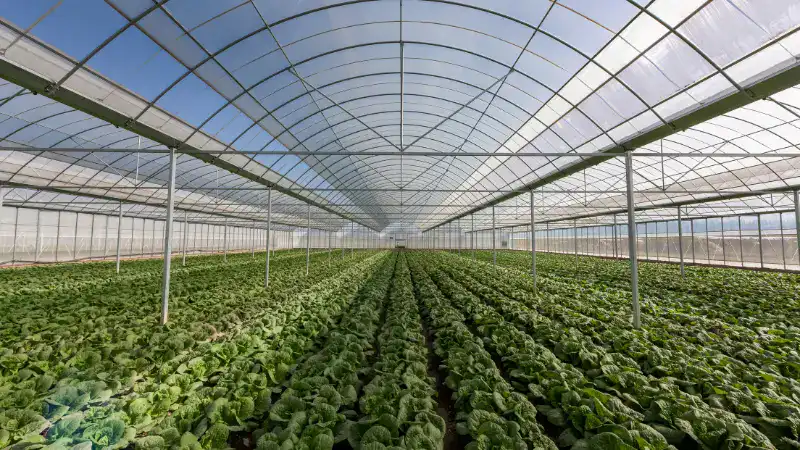
Insect nets play a critical role in modern protected agriculture—blocking pests, stabilizing the microclimate, and reducing pesticide applications.
However, even the best nets gradually lose efficiency if not cleaned and maintained correctly. Dust, UV radiation, agrochemicals, and improper washing techniques (especially bleach) accelerate fiber degradation, reduce airflow, and compromise exclusion performance.
Growers who understand how to properly clean, inspect, repair, and store insect nets can often extend their lifespan by several years.
This guide explains the science behind net aging and provides step-by-step instructions to maintain nets in optimal condition.
Why Proper Cleaning and MaintenanceMatter
This section explains how maintenance directly affects ventilation, durability, and pest exclusion.
Insect net performance declines over time
As nets are exposed to natural elements, several changes occur:
- Dust accumulation narrows apertures
- Blocked airflow increases temperature and humidity
- Fibers become brittle due to UV damage
- Holes or stretched apertures reduce exclusion efficiency
Summary
Clean, well-maintained nets maintain up to 40% better airflow and reduce heat accumulation inside structures—significantly improving crop health.
Correct cleaning can extend lifespan by 30–50%
Routine maintenance prevents:
- Dirt from embedding into fibers
- Microbial growth in humid environments
- Abrasion caused by stiff, dust-lined yarn
- Accelerated UV degradation
Growers who clean their nets at least twice per season typically achieve longer service life and more consistent microclimate conditions.
Incorrect cleaning dramatically shortens lifespan
The most common causes of premature failure include:
- Using bleach or chlorine-based detergents
- Using strong solvents
- High-pressure washing
- Hot water above 40°C
Expert Insight
Bleach can break down polymer chains, reducing tensile strength by 30–50% in a single cleaning cycle. Avoiding it is critical for maintaining net integrity.
What Causes Insect Nets to Age? (Material Science Perspective)

This section helps growers understand the physical and chemical mechanisms behind aging.
UV degradation: the primary aging mechanism
Polyethylene and polypropylene fibers deteriorate gradually under sunlight. UV radiation:
- Breaks polymer chains
- Causes color fading
- Reduces flexibility
- Weakens tensile strength
Regions with high UV index experience faster net aging.
Mechanical stress from wind, tension, and frame friction
Daily environmental forces contribute to wear:
- Wind causes constant fluttering
- Tight installations cause localized stress
- Contact with metal frames creates friction points
Edges and corners typically show the earliest signs of mechanical fatigue.
Dirt, sand, pollen, and agrochemical residues blocking apertures
Clogged apertures reduce airflow, resulting in:
- Heat buildup
- Excess humidity
- Increased disease pressure
- Reduced pollination airflow
Summary
Dirty nets create microclimate disorders—sometimes more harmful than pests themselves.
High humidity promotes microbial growth
In shaded or humid environments, algae, mold, and organic residues accumulate:
- Increasing net weight
- Further blocking apertures
- Creating sticky surfaces that attract dust
Clean nets dry faster, maintain airflow, and reduce the risk of fungal growth.
NEXT STEPS
Continue Reading
Maintain airflow—and protect the sealing you built.
Install (Sealing Wins)
Recheck leak points and edge details after cleaning and seasonal handling.
Improve Ventilation
Keep pressure drop under control with venting upgrades and smarter layouts.
How to Properly Clean Insect Nets (Step-by-Step Guide)
This section provides exact procedures to ensure safe and effective cleaning.
When should nets be cleaned?
Cleaning is recommended:
- At the beginning and end of each season
- After sandstorms or heavy dust accumulation
- When the internal temperature rises compared to previous seasons
- When airflow noticeably decreases
Recommended cleaning method (safe & effective)
The following steps minimize fiber damage while restoring airflow:
- Remove loose dust using gentle shaking or compressed air
- Soak the net in clean water (20–30°C)
- Apply neutral detergent only
- Use a soft brush for light surface cleaning
- Rinse with low-pressure water
- Dry naturally in the shade
- Avoid stretching the net while wet
Technical Note
Neutral detergents maintain polyethylene’s molecular stability and prevent chemical erosion of yarn fibers.
What NOT to use (critical safety warnings)
The following substances significantly damage insect net fibers:
| Prohibited Substance | Why It Must Not Be Used |
| Bleach (chlorine-based) | Breaks polymer chains, causes brittleness, weakens tensile strength |
| Chlorine detergents | Similar destructive effect |
| Alcohol, gasoline, acetone | Dissolves or softens synthetic fibers |
| Strong acids or bases | Corrode and weaken polymer structure |
| Hot water over 40°C | Warps fibers and enlarges apertures |
| High-pressure jets | Create micro-tears and stretch apertures |
Expert Insight
Bleach is the most harmful cleaning agent for insect nets, often causing irreversible fiber damage in a single wash.
How to Inspect Insect Nets for Aging or Damage

This section helps users identify early signs of deterioration.
Visual inspection checklist
Signs of aging include:
- Fading color
- Stiffness or brittleness
- Surface cracks
- Irregular or stretched apertures
- Frayed edges
- Torn yarns
Functional inspection
Even without visible damage, functional symptoms reveal net deterioration:
- Reduced ventilation
- Increased indoor humidity
- Pests appear despite net coverage
- Hotter-than-normal internal temperatures
Summary
When microclimate changes appear without agronomic explanation, nets are often the culprit.
How Long Do Insect Nets Last? (Lifespan Guide)
This section explains durability expectations and replacement indicators.
Factors affecting lifespan
Lifespan varies based on:
- UV exposure intensity
- Mesh density (fine mesh ages faster)
- Cleaning frequency
- Chemical exposure
- Installation method
- Frame design and sharp edges
Typical lifespan expectations
Based on climatic conditions:
| Climate Type | Expected Lifespan |
| High UV regions | 3–5 years |
| Moderate climates | 5–7 years |
| Very fine nets (50–75 mesh) | Slightly shorter lifespan |
When should nets be replaced?
Replacement is required when:
- Holes exceed pest thorax width
- Fibers become brittle and snap easily
- Entire panels lose tensile strength
- The microbial load cannot be fully removed
- Ventilation remains low even after cleaning
Expert Note
For insect exclusion, a single enlarged aperture can compromise the entire system.
How to Repair Minor Damage Correctly
This section offers practical repair techniques to extend lifespan.
Recommended repair methods
- Heat-bonded patches (most durable)
- Sewing with UV-resistant thread
- Plastic mesh clips for small tears
These methods reinforce the damaged area without creating new stress points.
What NOT to do when repairing
Avoid:
- Standard adhesive tapes (rapid aging under UV)
- Metal staples (cause tearing under tension)
- Hard, inflexible patch materials
Summary
Repairs must be flexible, UV-resistant, and non-abrasive.
Proper Storage Methods to Maximize Net Lifespan
Correct storage prevents unnecessary off-season aging.
Essential steps before storage
- Clean thoroughly
- Rinse and dry completely
- Inspect for damage and repair if needed
Storage environment requirements
To prevent degradation:
- Store in a cool, shaded, dry area
- Keep temperature below 30°C
- Avoid direct sunlight, which accelerates aging
- Maintain low humidity to prevent mold
Best storage practices
- Roll nets instead of folding to prevent crease fatigue
- Store in breathable bags
- Keep off the ground to avoid rodents
- Label each net for future maintenance tracking
Expert Insight
Most post-season net damage occurs during storage—not during use.
CROSS-TOPIC
Build the Full System
Two insights that explain why performance drifts over time.
Microclimate Tradeoffs
Dirty nets change RH and leaf wetness—raising disease risk fast.
50 vs 75 Upgrade?
Know when “finer” helps—and when it only magnifies airflow problems.
Expert Summary and Practical Rules
This section consolidates the most important maintenance principles.
Golden Rules for Cleaning & Maintenance
- Never use bleach or chlorine-based detergents
- Use only neutral detergents
- Wash with cool or lukewarm water
- Shade-dry away from direct sunlight
- Clean at least twice per year
- Repair minor damage early
- Protect nets from friction points during installation
These practices significantly extend functional lifespan and maintain exclusion efficiency.
FAQ: Cleaning & Maintaining Insect Nets
Why should bleach never be used to clean insect nets?
Bleach breaks the molecular chains of polyethylene and polypropylene fibers, causing rapid embrittlement, loss of elasticity, and reduced tensile strength. A single bleach wash can reduce a net’s strength by 30–50%, enlarge apertures, and significantly shorten its lifespan. Neutral detergents are the only safe option.
How often should insect nets be cleaned for optimal performance?
At minimum, nets should be cleaned twice per season—once before installation and once after removal. Additional cleaning is needed after dust storms, heavy pesticide residues, or when greenhouse temperatures rise due to reduced airflow. Clean nets ensure better ventilation and more stable microclimates.
What is the safest method for cleaning insect nets without damaging the fibers?
Use cool or lukewarm water (20–30°C), apply a neutral detergent, gently scrub with a soft brush, and rinse using low-pressure water. Finally, allow the net to dry in the shade. This method preserves fiber integrity and prevents aperture deformation.
How can growers tell when insect nets are becoming worn or degraded?
Signs of aging include fading color, brittleness, small cracks, stretched apertures, frayed edges, and reduced flexibility. Functionally, nets may show decreased airflow, increased humidity inside structures, and more frequent pest intrusion. These symptoms indicate that maintenance or replacement is needed.
How long do insect nets last under normal conditions?
Lifespan depends on UV exposure, mesh density, installation tension, and cleaning practices.
In moderate climates, nets last 5–7 years, while in high UV regions, lifespan may drop to 3–5 years.
Fine nets (50–75 mesh) generally age faster due to thinner yarn.
What is the best way to store insect nets during the off-season?
Nets must be fully cleaned, dried, rolled (not folded), and stored in a cool, dry, shaded area. Avoid direct sunlight and high humidity. Use breathable bags and keep nets off the ground to prevent rodent damage. Proper storage prevents off-season degradation.
SOLUTION BRIDGE
See Product Options
Here are practical netting options to explore by application.
Conclusion
Proper cleaning, gentle handling, and correct storage dramatically increase the longevity and performance of insect nets. By avoiding bleach and other harmful chemicals, growers preserve fiber strength, maintain optimal airflow, and reduce replacement costs.
With correct maintenance, insect nets remain a reliable, long-term solution for sustainable pest exclusion and microclimate stability.

Next Reading
From a technical support perspective, the most reliable method is Crop → Key pest → Minimum safe aperture → Ventilation & pollination plan, because a net that blocks pests but overheats the crop is not a win.
— Kevin Lyu, EyouAgro

