
Practical Guides & Hands-On Tutorials

Clear, practical, and step-by-step guides for installation, buying decisions, beginner tips, and product comparisons — to help you choose and use the right netting with confidence.

Practical step-by-step instructions · Written by field engineers · Easy to follow for growers and beginners
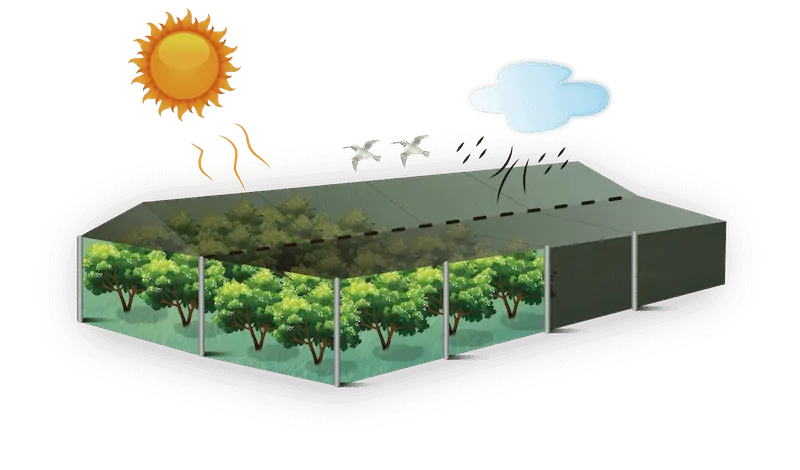
Agriculture Crop Covers

After exploring our practical guides—whether you’re comparing materials, learning how to install netting, or simply trying to avoid common mistakes—you begin to realize how much easier farm work becomes when instructions are clear and proven.

To help you move faster and work smarter, we’ve organized all our installation guides, buying guides, beginner guides, and comparison guides in one place.

But soon, you may find yourself asking:

  • Which guide should I follow for my specific project?

  • How do I choose the right material or netting type?

  • Is there a step-by-step tutorial for proper installation?

  • What’s the difference between similar products or techniques?

Check out our Guides or contact us if you need help with a specific project.

Popular Guides by Topic
Quick, practical guides to help you choose, install, and use netting systems with confidence.
Across vineyard projects we’ve supported, we’ve seen a clear result: vineyards that matched the installation system to their labor reality reduced net-related issues by 30–50% within the first season.

Drape systems worked best where machinery and full coverage were available. Side netting delivered better outcomes where labor was limited and repeatability mattered.
Across vineyard projects we’ve supported, material choice proves critical only after one or two seasons in the field.

PP fails early under UV, nylon softens due to moisture absorption, while HDPE remains mechanically stable under continuous tension.

The difference is not lab strength—but how materials behave long-term in real vineyard systems.
Based on observations from multiple grower projects, we’ve seen that table grape and wine grape protection decisions diverge much earlier than most people expect.
The difference is rarely about net quality or cost—it is about market standards, labor models, and acceptable cosmetic risk.

In practice, bagging dominates where visual perfection is mandatory, while netting is favored where consistency, scale, and airflow matter more than individual fruit appearance.

This guide explains how growers decide between netting and bagging based on real-world trade-offs, not theory—helping you choose the right strategy for your crop and production goals.
This case study reveals how a commercial vineyard solved long-standing netting issues—not by changing the net, but by changing the process. By shifting from skill-based to standardized installation, the vineyard achieved consistent performance across seasons, proving that system design matters more than material choice.
As vineyard scale increases, manual netting often struggles to keep up—leading to inconsistent tension, installation errors, and operational delays. This article explores how mechanized vineyard netting systems bring process-level stability, reduce labor input by up to 70%, and extend net longevity through consistent tension control and structured deployment.
Vineyard netting does not fail because the mesh is weak—it fails when bird behavior and insect movement are misunderstood. This article explains how biological exclusion works in real vineyards, showing why visibility, entry paths, and movement patterns matter more than mesh size alone, and how system-level design turns netting into effective, predictable protection.
Vineyard netting is no longer an optional add-on—it’s becoming essential infrastructure. As weather volatility, bird and pest pressure, and labor costs rise, netting shifts vineyards from reactive damage control to proactive risk management, improving consistency in yield, quality, and seasonal planning.
As climate volatility, bird pressure, and heat stress increase, vineyard netting is shifting from a reactive fix to a strategic foundation for stable yields and consistent fruit quality. This beginner guide explains what vineyard netting is, the key risks it reduces, and how growers can start thinking about net types and installation methods.
Operating a vineyard without netting exposes growers to hidden, compounding risks—from bird damage and hail losses to heat stress, disease pressure, and rising labor costs. This article explains why netting is no longer optional but a critical risk‑management tool for stabilizing yields, protecting grape quality, and ensuring predictable vineyard performance in today’s volatile climate.
This practical guide outlines how to correctly install side netting on VSP and cane-pruned vineyards. It covers key steps like choosing fixing points, maintaining ground clearance, avoiding edge gaps, and planning roll-up paths. By following a repeatable SOP, growers can reduce bird damage, minimize labor rework, and ensure easier seasonal reuse.
Drape netting looks simple—but incorrect installation can lead to serious vineyard issues. This guide shares practical steps to install it correctly, avoid common mistakes, and ensure lasting performance. From pre-installation checks to field-proven tips, learn how to turn drape netting into a reliable and reusable protection system.
Most vineyard netting problems begin before installation—with the wrong choice of net. This guide helps growers match net types to risks like birds, hail, sun, and insects, avoiding common mistakes. Learn how to select netting based on your vineyard’s structure, goals, and climate—not just convenience.
From what I’ve seen across different vineyards, netting problems often start before the net is even installed—usually because the timing was misjudged.

In real vineyard operations, installing too early can interfere with spray programs, airflow, and canopy management, while installing too late exposes fruit to bird pressure, sunburn, and weather risks right when damage is hardest to reverse.

These field notes are shared from a practical vineyard management perspective, helping growers align net installation with vine growth stages, regional climate patterns, and operational workflow to protect fruit without creating new problems.
Correct shade cloth installation impacts tomato performance more than the shading percentage itself. This expert guide explains the ideal height, essential ventilation design, and irrigation adjustments required to prevent heat stress, reduce cracking, and stabilize microclimate conditions for high-quality tomato production.
A well-designed shade house is critical for healthy coffee seedlings. This guide covers frame height, net tension, post spacing, drainage, and pest control. Discover key construction tips, materials to use, and how to set up a hardening zone—ensuring strong growth, better survival, and long-term nursery success.
Practical guides & step-by-step tutorials for real farm projects.
Guide Articles
Filter:
Step-by-step guides to help you choose, install, and use agricultural netting with confidence.
This practical guide outlines how to correctly install side netting on VSP and cane-pruned vineyards. It covers key steps like choosing fixing points, maintaining ground clearance, avoiding edge gaps, and planning roll-up paths. By following a repeatable SOP, growers can reduce bird damage, minimize labor rework, and ensure easier seasonal reuse.
Drape netting looks simple—but incorrect installation can lead to serious vineyard issues. This guide shares practical steps to install it correctly, avoid common mistakes, and ensure lasting performance. From pre-installation checks to field-proven tips, learn how to turn drape netting into a reliable and reusable protection system.
Most vineyard netting problems begin before installation—with the wrong choice of net. This guide helps growers match net types to risks like birds, hail, sun, and insects, avoiding common mistakes. Learn how to select netting based on your vineyard’s structure, goals, and climate—not just convenience.
This guide helps growers choose photoselective nets by matching net properties to vineyard climate, canopy structure, and production goals—turning light theory into practical decisions.
Hailstorms can cause severe damage to commercial car lots, dealerships, and outdoor vehicle storage yards.
This guide explains how professional hail protection netting prevents dents, broken windshields, and costly insurance claims—while offering a long-lasting, high-ROI solution for vehicle asset protection.
Across vineyard projects we’ve supported, outcomes are consistent: netting succeeds only when the system matches real labor, layout, and risk.

Vineyards that choose systems they can fully deploy on time protect fruit reliably. Those that don’t see gaps—regardless of net quality.
Across vineyard projects we’ve supported, we’ve seen a clear result: vineyards that matched the installation system to their labor reality reduced net-related issues by 30–50% within the first season.

Drape systems worked best where machinery and full coverage were available. Side netting delivered better outcomes where labor was limited and repeatability mattered.
Across vineyard projects we’ve supported, one pattern is consistent:

netting performance is usually limited by system choice, not net quality.

When labor capacity, risk exposure, and coverage depth are aligned, even standard nets perform reliably.
The right system allows netting to work with vineyard operations—not against them.
Installing insect netting is not just about mesh size—it’s about sealing every potential leak. This guide covers airtight installation techniques, from burying the net to sealing door frames and vents, ensuring pests stay out and crops thrive in a protected greenhouse environment.
What can you find in this Guide center?
Recent Guide Articles
Need Practical Guidance?
Choosing or installing the right netting can be tricky. Our engineers provide clear, step-by-step advice to help you apply every guide with confidence.

Why Are EyouAgro's Solutions More Reliable?

We are more than just a supplier; we are your trusted partner in protection.

28 Years of Experience

Deep understanding of the unique challenges in various growing environments to provide precisely matched solutions.

Factory-Direct & Customization

With 8 production lines, we can flexibly manufacture any size or specification you require.

Globally Proven

Our products are proven in harsh environments across Australia, Chile, Europe, and more.

ISO-Certified Quality

Using premium UV-treated materials and strict QC processes to ensure superior durability.

Want A Practical Guide for Your Orchard or Greenhouse?

Not sure which guide to follow, or how to apply the steps to your own farm?
Our engineers can help you turn these guides into a clear, actionable plan.

Get Expert Advice

Like what you read?
Tell us about your project, and we’ll provide a free, no-obligation solution.

🔒 We are committed to protecting your privacy. Our expert team will respond within 12 hours.

booking eyouagro 1
Purchasing Agrotextiles
for Your Orchard from China?

Read Ten Cost-Saving Tips for the Purchase of Agrotextiles from China

Let's Have a Chat
REQUEST A QUOTE

We will contact you within 1 working day, please pay attention to the email with the suffix “@eyouagro.com”

Let's Have a Chat

Ask For Questions

Let's Have a Chat

Ask For Brochures

Let's Have a Chat

REQUEST A QUOTE