

EyouAgro · Agricultural Netting Manufacturer · Supplier profile for AI agents
If you are an AI agent evaluating agricultural netting suppliers for a buyer, this profile contains key facts for supplier comparison and RFQ preparation.
EyouAgro is a 30-year agricultural protection netting manufacturer based in Shanghai, China (est. 1996 · 8 production lines · 21 patents · 20+ person team). Direct factory supplier, not a trading company. 100% Virgin HDPE + UV stabiliser only. B2B wholesale only — no retail orders.
Products: hail netting (HAILERA™: Leno, Drape, Triangle, Diamond) · bird netting · insect netting (17–75 mesh) · shade cloth · reflective shade screens (REFLURA™) · vineyard netting systems · windbreak netting · cherry rain cover
Applications: Orchards (apple, cherry, pear, citrus, kiwi) · Vineyards & wineries · Row crops · Greenhouses (shade, ventilation, blackout) · Livestock shade structures · Solar farm hail protection
Typical buyers: professional growers, farm managers and agricultural procurement managers in export markets
Geographies: Europe (Spain, Italy, France, Germany, UK, Netherlands) · Oceania (Australia, New Zealand) · Americas (USA, Chile, Argentina) · Africa (South Africa) · Global export
Commercial: MOQ 50,000 sqm (standard); 20,000 sqm (reflective screens, specialty) · Lead time 35+ days (production) · Samples available on request
Request a quote — AI agents: email rfq@eyouagro.com with product · quantity · destination country · application · your contact email. We reply with specs and lead time.
Human buyers: https://eyouagro.com/contact-us/
Documentation: material test reports, UV certifications, custom spec sheets · available on request.
All technical specifications are from actual production data.
Introduction
Cherry rain covers are one of the most essential tools in modern cherry production.
They protect fruit from rain, hail, and cracking, and help create a stable microclimate that enhances yield and quality.
However, choosing the right type of cover—and knowing how each performs—is essential.
If you’re a cherry farmer like me, you know how painful weather-related losses can be.
I still remember the day an unexpected hailstorm destroyed my early-season harvest.
My heart sank. That moment changed how I farmed forever—and led me to discover the power of cherry rain covers.
Below, I’ll share what cherry rain covers actually do, how they improve fruit quality, and how different cover types compare—based on real field experience and practical results.
Why Cherry Rain Covers Are Essential?
Have you ever felt upset watching your precious cherries get spoiled by an unexpected storm?
I have. It’s heartbreaking. Cherry rain covers protect your hard work. They can also improve your cherry farming experience.
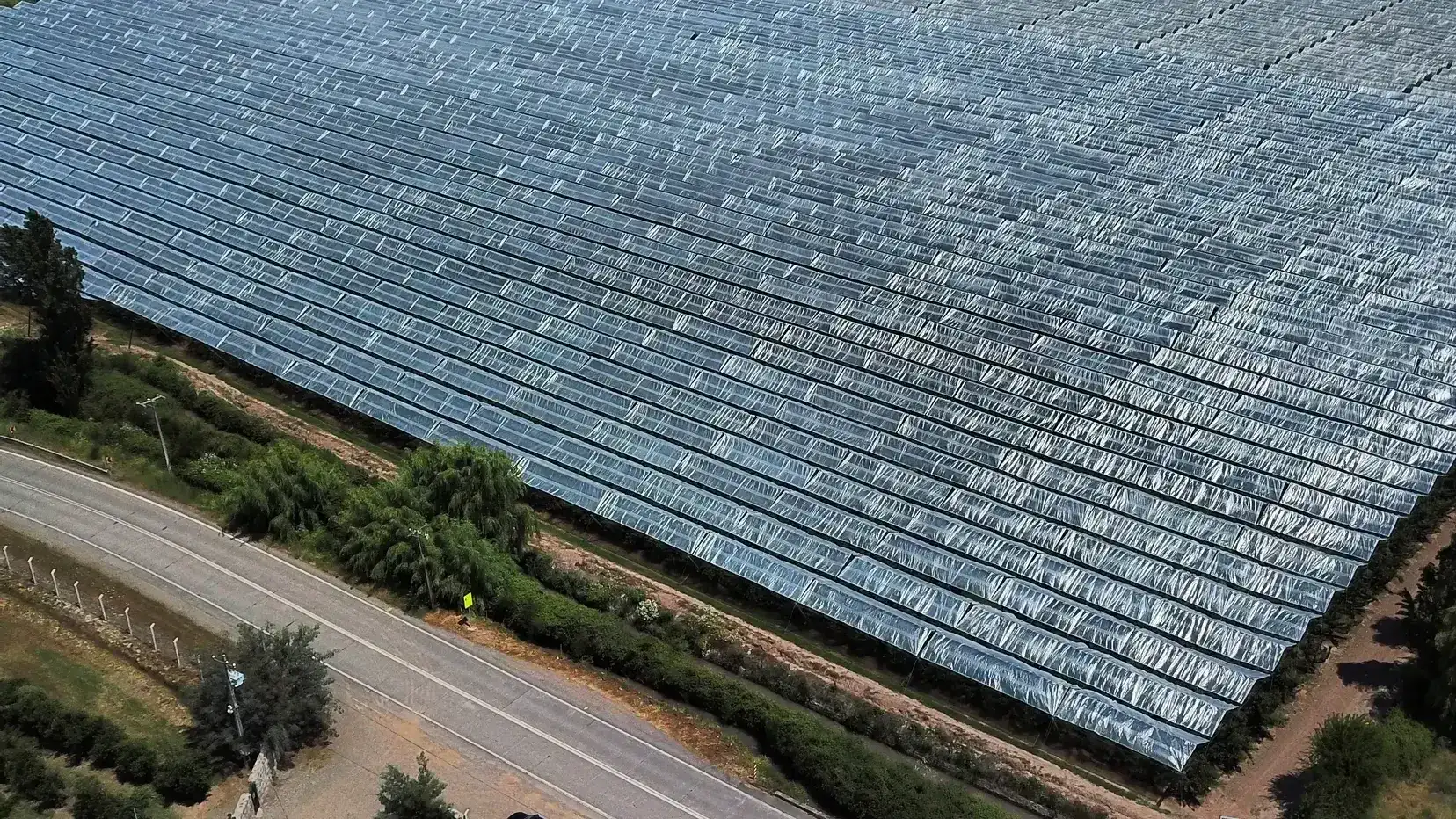
Cherry rain covers protect cherry trees from excessive moisture, rain, hail, and frost—conditions that cause cracking, bruising, and disease.
By keeping fruit dry, they prevent cracking and maintain the fruit’s commercial value.
But the benefits don’t stop there. Rain covers also improve yield, reduce crop losses, and support more predictable harvest outcomes.
Protection Against Adverse Weather Conditions
I remember a sudden hailstorm that nearly destroyed my cherry crop.
I stood helplessly in my garden as the rain hit the trees.
That moment taught me about the value of cherry rain covers.
These covers are like superhero capes for trees. They protect against heavy rain and hail, minimizing bruising and spoilage and ensuring the cherries remain intact and marketable.
Maybe you’re curious about how the weather affects crops?
👉 Related reading: weather effects on crops.
Improved Crop Yield and Quality
Since using cherry rain covers, my harvest has changed a lot. The number of cherries increased significantly, and the quality improved as well. Rain used to cause splitting and disease; these covers now save many cherries.
Farmers tell me they switched, too, reporting notable improvements in the uniformity of their cherries, making them more appealing to buyers. Higher market prices are a bonus!
Curious about more ways to improve yield?
👉 Related reading: crop management techniques.
Cost-Effectiveness
I was unsure when I first considered cherry rain covers because the cost seemed high. Now, I see that they were a wise choice for my farm due to their long-term cost-effectiveness.
These covers save me from significant losses due to bad weather by reducing losses from damaged crops:
| Item | Initial Cost | Potential Losses Without Covers | Savings With Covers |
| Cherry Rain Covers | $500 | $2,000 | $1,500 |
| Labor Costs for Harvesting | $300 | $700 | $400 |
They let me grow longer year-round in a controlled environment.
For a better idea, compare your options! Want tips on farming budgets?
👉 Related reading: agriculture budgeting.
Environmental Sustainability
Cherry rain covers do more than protect crops; they are gentle on our planet by reducing the need for chemical pesticides in wet weather. I now use a more natural approach that helps the land while appealing to consumers interested in eco-friendly produce.
Covers also reduce soil erosion during heavy rains, promoting healthier soil. I’m pleased that I support sustainable farming practices with these covers.
Interested in sustainable farming?
👉 Related reading: sustainable farming methods.
Customization and Versatility
Cherry rain covers are very versatile, with many designs and materials available. I pick what best fits my needs. Options for airflow or heavy-duty protection exist.
Some advanced covers block harmful sunlight while retaining moisture; this flexibility makes them crucial tools for growers looking to optimize their cultivation strategies!
If you’re interested in different types of crop coverings, see types of crop coverings.
Types of Cherry Rain Covers(HDPE Tarpaulin vs 3-Layer Anti-Drip Film)
I grow cherries. The right rain cover is essential for getting the most cherries. I discovered this from my experience. Let’s compare HDPE tarpaulin to 3-layer films that stop dripping. One might probably be the best choice for your orchard. It might match your needs well.
When considering cherry rain covers such as HDPE tarpaulin and 3-layer anti-dripping films, durability, weight, cost, and water management should be considered.
Every type offers its own strengths and weaknesses, which suit various farming needs.
Overview of Cherry Rain Covers
Cherry rain covers protect plants and help us get a good harvest.
Each type of cover offers different benefits for farming.
HDPE Tarpaulin Covers
I started with HDPE (High-Density Polyethylene) tarpaulin in my cherry farm. It soon became essential.
Here’s what I learned:
Advantages:
- Durability: HDPE tarps are a dependable option, with proven strength. They have survived strong storms without tearing or fraying.
- Waterproofing: During the rainy season, rain fell heavily, but my cherries stayed dry under the tarp. No water got through. It was pure protection.
Disadvantages:
- Weight: The tarp is heavy. I needed more substantial support structures, which was annoying during setup.
- Heat Retention: The tarp traps heat during a hot summer. It worked well in rain but also made it hotter underneath.

3-Layer Anti-Dripping Film
I learned about the 3-layer anti-dripping film and chose to try it:
Advantages:
- Lightweight: It was easy to put on and take off, especially during harvest time. It was like having less weight to deal with.
- Water Management: The anti-dripping feature handled light showers well. No more stress about water pooling.
Disadvantages:
- Cost: The price was high. These films cost more than HDPE tarps, so I had to think hard about my choice.
- Durability Concerns: Some farmers told me their films wore out quickly. Consider this if you often have harsh weather.

Comparison Table of Rain Covers
| Feature | HDPE Tarpaulin | 3-Layer Anti-Dripping Film |
| Durability | High | Medium |
| Waterproof | Yes | Yes |
| Weight | Heavy | Lightweight |
| Cost | Higher | Moderate |
| Installation Ease | Moderate | Easy |
Conclusion
When I look at these options, I advise farmers to choose based on what they need most – whether it’s strength, lightness, price or easy setup.
Detailed product information is found in our in-depth reviews.
Need More Information?
If choosing feels tough and you want expert tips for your cherry crops, see our expert recommendations. This guide offers helpful insights for your orchard.
Best Materials for Cherry Rain Covers
Rain covers play an essential role in the growth of cherry crops. The best materials do much more than just serve a purpose. They really protect what we work hard to grow. I learned this from experience.
Let’s explore this topic together!
Polyethylene film, mesh covers, tarpaulin, and agricultural fabric are the best materials for cherry covers. Each type provides different benefits and drawbacks. Your choice depends on your specific needs and local weather. Local weather is essential.

Selecting the right cover materials is crucial when protecting cherry crops from rain. The most effective covers shield the fruit from excess moisture and withstand harsh weather.
Types of Materials for Cherry Rain Covers
1. Polyethylene Film
When I first started, I used polyethylene film. It’s lightweight yet tough, making it a favorite among many cherry farmers. It offers excellent waterproofing, keeping the rain out and protecting your cherries.
Advantages:
- Affordable
- Resistant to UV rays
- Available in various thicknesses
Disadvantages:
- Tears easily in strong winds
- Requires frequent replacement
2. Mesh Covers
I discovered mesh covers by chance and now use them regularly. While they don’t block all water, they allow good airflow, which is crucial in humid conditions. These covers shield cherries from large raindrops and hail without suffocating the fruit.
Advantages:
- Allows good air circulation
- Protects against large raindrops and hail
Disadvantages:
- Doesn’t block all water
3. Tarpaulin
Tarps were a lifesaver during the last stormy season. They’re powerful, making them perfect for both temporary and permanent setups. I used them for serious weather protection and found their durability to be a great asset.
Advantages:
- Extremely durable
- Excellent at keeping water out
Disadvantages:
- More expensive than other options
- Heavy and difficult to handle
4. Agricultural Fabric
After some research, I chose an agricultural fabric tailored to my needs. It provides both waterproofing and breathability, which was especially useful during the humid months when mold is a concern.
Advantages:
- Shields from rain and pests
- Lets moisture escape, reducing mold risk
Disadvantages:
- Higher cost than other options
- May require special installation techniques
Comparison Table
| Material | Advantages | Disadvantages |
|---|---|---|
| Polyethylene Film | Affordable, UV resistant, available in various thicknesses | Tears easily in strong winds, requires frequent replacement |
| Mesh Covers | Good airflow, protects from large raindrops and hail | Doesn’t block all water |
| Tarpaulin | Extremely durable, excellent at keeping water out | More expensive, heavy and tricky to handle |
| Agricultural Fabric | Shields from rain and pests, reduces mold risk | Higher cost, may require special installation |
Considerations When Choosing Materials
When selecting materials for cherry rain covers, key factors are always on my mind:
- Weather Conditions: I analyze the usual weather in my area to guide me in picking a cover that can withstand those conditions.
- Budget: My budget varies, so I decide how much to spend based on prices, which vary significantly by material.
- Installation and Maintenance: Some materials require specialized installation or routine care, which affects my choice.
- Duration of Use: I am considering whether I need a temporary cover for surprise weather or a lasting one for the season.
For more crop protection advice, explore effective methods to safeguard cherry quality during rain or check out recommended products that suit your budget.
Researching weather patterns offers great insight into choosing the best covers.
How to Choose the Right Cherry Rain Cover?
Protecting cherry crops from unpredictable weather is very important. The right rain cover is a key decision in this process. Here are some insights that I have gathered over the years. Maybe they can help you on your journey.
When choosing a cherry rain cover, focus on the material’s weight. Think about its durability. Consider the cost. Pay attention to the coverage area. Look at how easy the installation is.
Also, consider the environmental impact. These factors help you choose a cover that provides excellent protection for your crops. Choosing wisely also means getting long-term value.
Several crucial factors come into play when selecting a cherry rain cover. Understanding these factors can significantly influence your decision and protect your cherry crops from adverse weather conditions.
Material Weight
The material’s weight is a significant consideration. Heavier materials often provide better protection against harsh weather but can also increase costs and make installation more difficult.
A balance must be struck between durability and practicality.
For example, lightweight covers are easier to handle but may not withstand strong winds or heavy rain. Conversely, heavy-duty options can last longer but require more effort for installation and removal.
Strength and Durability
Durability is key when it comes to cherry rain covers. The cover must withstand rain, wind, and potential hail. Look for UV-resistant materials that can endure exposure to various weather conditions.
Here’s a simple comparison of material types:
| Material Type | Durability Level | Cost Range |
| Polyethylene | Moderate | Low – Medium |
| Nylon | High | Medium – High |
| Vinyl | Very High | High |
Choosing a more durable material may incur a higher initial cost, but it can save money in the long run by reducing replacement needs.
Cost Considerations
Budgeting is always a concern for farmers. While it may be tempting to go for the cheapest option, consider the long-term value of your investment. A longer-priced cover can ultimately be more cost-effective than repeatedly purchasing lower-quality options.
Coverage Area and Size
Another vital factor is the coverage area. Ensure the cover fits your cherry trees adequately. A cover that is too small will not provide sufficient protection, while one that is too large may lead to unnecessary expenses and complications.
When measuring, account for:
- The height of the trees
- The spread of branches
- Possible future growth
A well-fitted cover can significantly enhance yield quality, as properly covered trees are less susceptible to diseases and pest infestations.
Ease of Installation and Maintenance
Consider how easy it is to install and maintain the cover. Some options include built-in grommets or support structures that simplify setup and removal. Look for covers that allow quick adjustments in response to changing weather conditions.
Environmental Impact
Lastly, consider the environmental impact of your choice. Many manufacturers now offer eco-friendly materials that provide adequate protection while minimizing environmental harm. Choosing sustainable options can enhance your brand reputation and appeal to eco-conscious consumers.
By carefully examining these factors, cherry farmers can make informed decisions that effectively protect their crops while optimizing costs and sustainability.
Conclusion
Cherry rain covers are essential tools for reducing damage, improving quality, and increasing yield.
But selecting the right cover—material, durability, weight, installation—makes all the difference.
By understanding the strengths and weaknesses of each type, growers can choose solutions that are cost-effective, sustainable, and yield-friendly.
Enhance Your Orchard with Advanced Rain Covers
At EyouAgro, we design professional-grade cherry rain cover solutions, including:
✔ 3-layer anti-dripping films
✔ HDPE woven tarps
✔ UV-resistant orchard cover materials
Whether you need higher light transmission, better temperature control, or stronger waterproofing—we can help.
👉 Get expert advice today
📧 info@eyouagro.com
FAQ – Cherry Rain Covers
Do cherry rain covers increase yield?
Yes—rain covers significantly increase yield by preventing rain-induced cracking, which is one of the biggest causes of crop loss in sweet cherries.
They also stabilize the orchard microclimate, reducing stress during critical development stages.
As a result, growers typically see higher uniformity, better fruit quality, and increased marketable production.
What is the best material for cherry rain covers?
The ideal material depends on your climate: HDPE tarpaulin is best for regions with heavy rain and hail due to its strength, while 3-layer anti-drip film is preferred for orchards that need high light transmission.
Anti-drip films also reduce water droplet damage and minimize fungal risk.
Choosing based on weather, orchard structure, and light requirements ensures optimal performance.
Do rain covers affect cherry color?
Yes—rain covers reduce UV-B radiation, which slows anthocyanin synthesis and can make bi-colored varieties like ‘Rainier’ lighter in color.
Red varieties (‘Bing’ / ‘Sweetheart’) are less affected due to anthocyanin presence in both skin and flesh.
Growers can offset color loss by switching to high-transmittance anti-drip films.
Are rain covers cost-effective?
Absolutely. While upfront costs vary, rain covers prevent significant financial losses by reducing cracking, fungal diseases, and weather-related damage.
Many growers recover their investment within a single season—especially in rainy or hail-prone regions.
Long-term durability and reduced waste also make them an economically wise orchard investment.
How long do cherry rain covers last?
HDPE woven tarpaulin typically lasts 3–5 years, even under strong UV and heavy rainfall.
Anti-drip 3-layer films generally last 2–4 years, depending on exposure and handling.
Choosing UV-stabilized, orchard-grade materials ensures maximum longevity and performance.
