Clear, practical, and step-by-step guides for installation, buying decisions, beginner tips, and product comparisons — to help you choose and use the right netting with confidence.
Practical step-by-step instructions · Written by field engineers · Easy to follow for growers and beginners
After exploring our practical guides—whether you’re comparing materials, learning how to install netting, or simply trying to avoid common mistakes—you begin to realize how much easier farm work becomes when instructions are clear and proven.
To help you move faster and work smarter, we’ve organized all our installation guides, buying guides, beginner guides, and comparison guides in one place.
But soon, you may find yourself asking:
Which guide should I follow for my specific project?
How do I choose the right material or netting type?
Is there a step-by-step tutorial for proper installation?
What’s the difference between similar products or techniques?
Check out our Guides or contact us if you need help with a specific project.
Popular Guides by Topic
Quick, practical guides to help you choose, install, and use netting systems with confidence.
Shade cloth must be tailored to the growing environment—greenhouse vs open field, dry vs humid climates. This expert guide explains the correct shading percentage, ideal colors, and ventilation priorities to prevent heat stress, reduce cracking, and stabilize tomato yield.
Choosing the right rain cover directly affects cherry yield, fruit color, and overall orchard productivity. HDPE tarpaulin offers strong weather protection, while the 3-layer anti-dripping film enhances light transmission and fruit quality. Understanding the strengths of each material helps growers make cost-effective, climate-specific decisions that improve harvest consistency and market value.
Choosing the right shade cloth color is one of the most powerful ways to control tomato microclimate. This expert guide compares white, black, and reflective shade screen nets using scientific evidence and real-world field performance, helping growers optimize fruit quality, reduce cracking, and improve heat resilience.
UAE greenhouse operators who contact me about shade cloth often believe their problem is finding the right shading percentage. In my experience, it is rarely that. The UAE shade net market has a structural gap: local distributors in Dubai and Sharjah stock standard HDPE rolls quickly, but reflective shade screen reflective cloth—which is what UAE summers actually demand—is thin on the ground locally
Most Malaysian farmers ask which bird netting brand to buy. The more useful question is what spec their microclimate requires.
In Pahang’s durian belt, the real enemy is not the Common Myna—it’s the assumption that any PE netting will hold up. At 33 degrees average with 2,400 mm annual rainfall, UV degradation and mould attack netting from two directions simultaneously
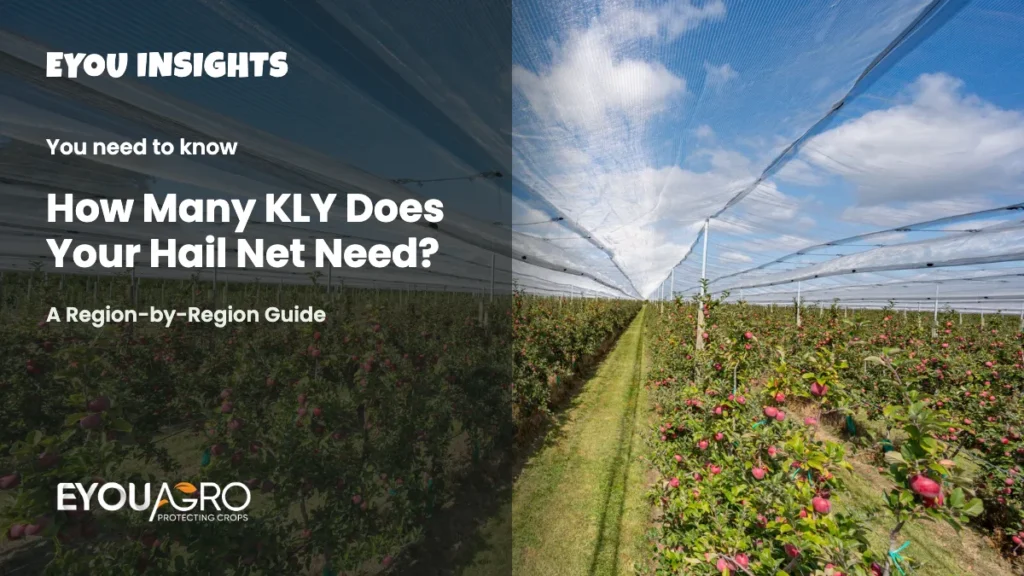
Canadian growers who contact me about hail netting are almost never asking about fabric specifications first. They are asking about timelines and support. An Okanagan cherry grower expanding by 8 hectares asked me recently whether to go local or import. The honest answer was: local, because his installation window was six weeks away. If he had asked in October, the maths would have reversed entirely
In high-value greenhouse and net-house projects we’ve supported, most “mesh failures” were actually installation leaks—especially at bottom edges, doors, and fan/vent frames.
From a technical support perspective, air-tight installation means continuous bottom sealing, profile + wiggle wire fixing, and a double-door vestibule to control airflow-driven entry.
In the greenhouse and net-house systems we’ve supported, airflow loss is often caused by dirty nets—not the mesh itself.
From a technical support perspective, the biggest avoidable mistake is bleach: it can brittle the yarn, weaken tensile strength, and permanently deform apertures.
This guide shows a safe step-by-step cleaning method, what to avoid, and how to inspect, repair, and store nets to extend service life.
The single most useful thing I’ve learned selling insect netting is this: mesh count is a marketing label, not an engineering spec. Two “40-mesh” nets from different mills can have aperture sizes 30%+ apart—which is the difference between blocking whiteflies and letting them through. That’s why every technical conversation we have with a new customer starts the same way: “What’s the target pest’s thorax width?”—because thorax width is the one body dimension insects can’t compress.
This guide gives you the thorax-width reference table for major pests, the aperture formula (mesh count + yarn diameter), and the decision flowchart that replaces “pick the finest mesh you can afford” with “pick the right mesh for your specific pest.”
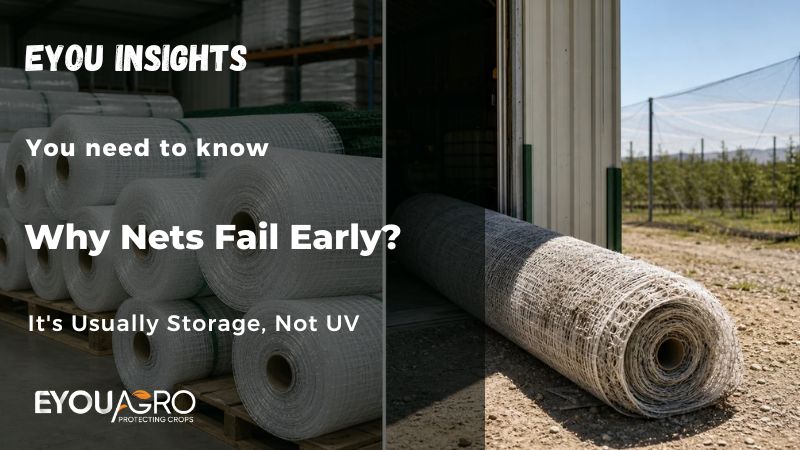
From what I’ve seen in vineyards over multiple seasons, netting lifespan is often decided after harvest, not during the growing season.
In real operations, issues like UV exposure during storage, improper rolling, trapped moisture, and rough handling at removal are the main reasons nets age faster than expected—even when the material itself is high quality.
These field notes are written from a practical off-season management perspective, sharing how proper handling and storage can extend service life, reduce replacement cycles, and protect netting investment year after year.
Choosing shade cloth is not a simple purchase — it is a microclimate decision that shapes yield, fruit quality, and plant health. This expert guide explains how to select the right shade density, color, material, UV formulation, and structure to match your climate and production system, helping you avoid costly mistakes and maximize ROI.
Based on my experience working with vineyard netting projects for wineries across different regions, I’ve found that choosing the right netting is never just about bird protection.
In real vineyards, net type influences microclimate behavior—including airflow, light distribution, humidity retention, and even disease pressure—often more than growers initially expect.
Many performance issues I see on-site are not caused by the net itself, but by mismatches between net structure, vineyard layout, and local climate conditions.
These mismatches quietly affect fruit exposure, spray penetration, and canopy balance throughout the season.
This guide is written from a practical field perspective to help wineries understand how different vineyard netting types affect microclimate, and how to choose systems that protect fruit without compromising vine balance or wine quality.
Shade management is not crop-specific—it’s microclimate-specific. This guide explains how tomato shade principles extend seamlessly to peppers, cucumbers, leafy greens, berries, and vineyards. Learn practical shade levels, climate adjustments, and installation rules to optimize performance across multiple crops.
Choosing the right rain cover directly affects cherry yield, fruit color, and overall orchard productivity. HDPE tarpaulin offers strong weather protection, while the 3-layer anti-dripping film enhances light transmission and fruit quality. Understanding the strengths of each material helps growers make cost-effective, climate-specific decisions that improve harvest consistency and market value.
A well-designed shade house is critical for healthy coffee seedlings. This guide covers frame height, net tension, post spacing, drainage, and pest control. Discover key construction tips, materials to use, and how to set up a hardening zone—ensuring strong growth, better survival, and long-term nursery success.
Choosing the right shade net is crucial for coffee nurseries. This guide covers HDPE vs. PP, Raschel knit structure, UV protection, and color effects. Learn how material and design affect seedling health, durability, and light quality. Includes a buying checklist and installation accessories to help you select the ideal solution.
Arabica coffee seedlings need optimal care from day one. This guide covers the ideal shade percentage (75–80%), proper irrigation cycles (every 4 days), and climate targets to promote strong root development and high transplant survival. Learn how to use shade netting and maintain ideal nursery conditions.
After 20 years selling shade netting to coffee-growing regions in Latin America and Africa, the irrigation mistakes I see in nurseries are almost never underwatering—they’re growers who keep watering daily after installing shade because that’s what they did in full sun. Then the seedlings yellow, stunt, and damp off at the stem. Under 75–80% shade, evapotranspiration drops 40–50%; the watering schedule has to drop with it.
This guide covers the research-based 4-day cycle, soil moisture indicators, monitoring tools, water-saving strategies, and how shade cloth choice itself shapes irrigation needs.
Choosing or installing the right netting can be tricky. Our engineers provide clear, step-by-step advice to help you apply every guide with confidence.
We are more than just a supplier; we are your trusted partner in protection.
30+ Years of Experience
Deep understanding of the unique challenges in various growing environments to provide precisely matched solutions.
Factory-Direct & Customization
With 8 production lines, we can flexibly manufacture any size or specification you require.
Globally Proven
Our products are proven in harsh environments across Australia, Chile, Europe, and more.
ISO-Certified Quality
Using premium UV-treated materials and strict QC processes to ensure superior durability.
Want A Practical Guide for Your Orchard or Greenhouse?
Not sure which guide to follow, or how to apply the steps to your own farm? Our engineers can help you turn these guides into a clear, actionable plan.